When Language Becomes Identity
How language, culture, and belonging shape the way learners understand themselves and the world around them.
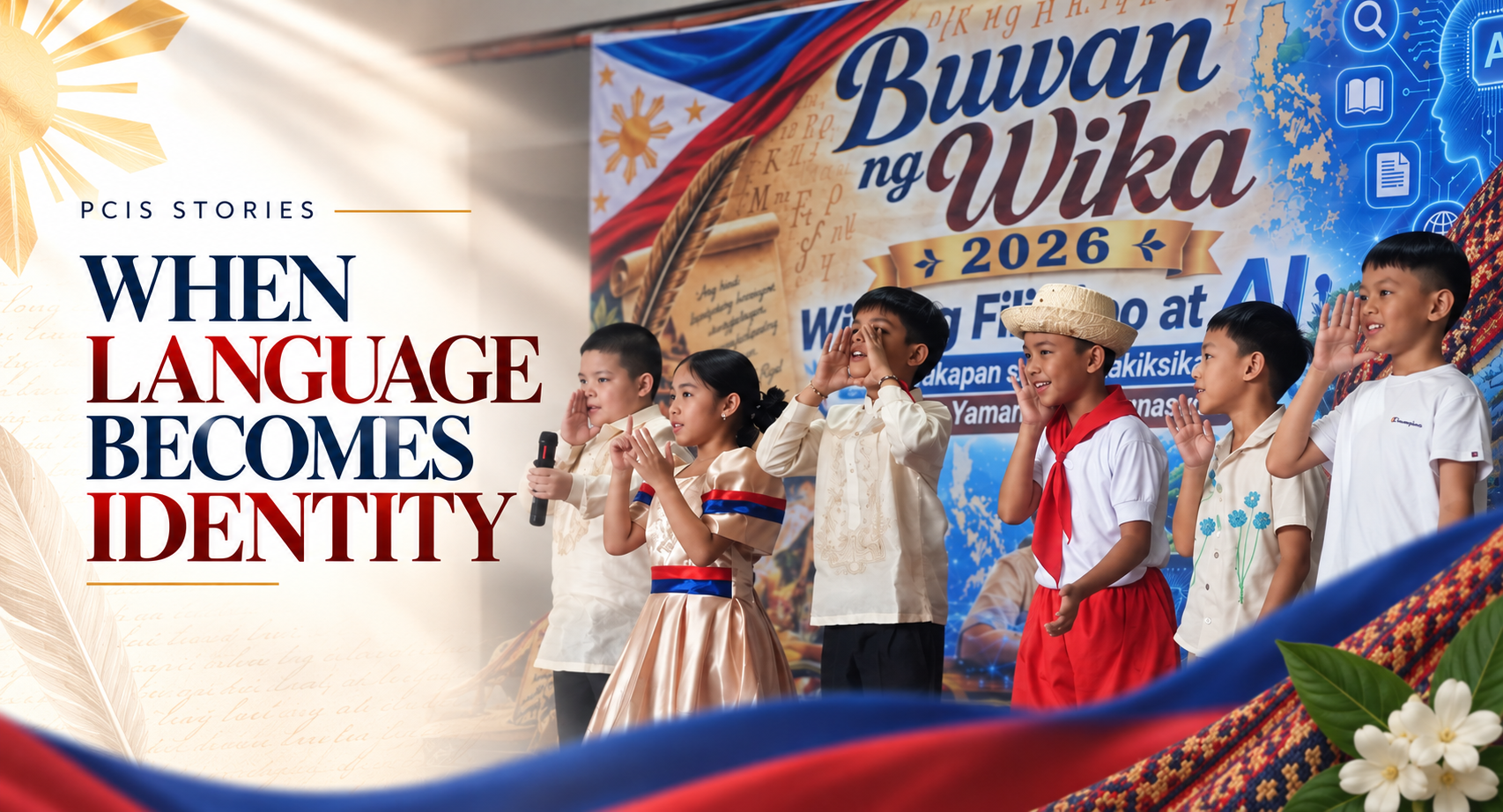
The room is already alive before the program begins.
A Filipino word is heard across the room. Someone adjusts a traditional piece of clothing. A student rehearses a line one last time while another listens, smiles, and waits for their turn.
It is Buwan ng Wika at Philippine Cambridge International School.
But beneath the colors, performances, and activities is a quieter question:
What does language mean to the students who speak it?
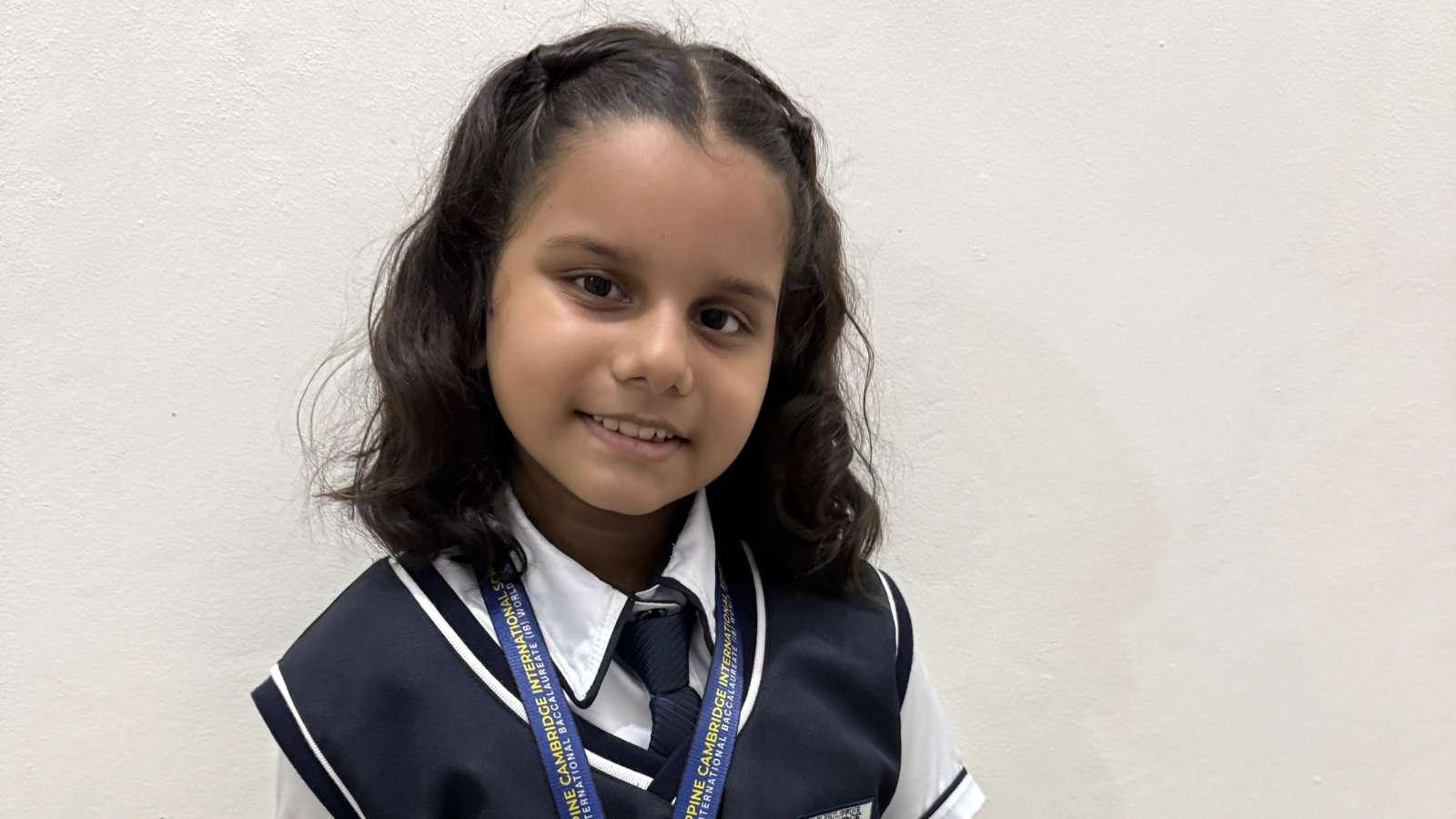
"It’s a means to communicate with people from different cultures. We communicate with people through different languages, especially English, French, and Filipino.”
Revika K. PYP 3, Volcano Voyagers
For another student, the celebration becomes an opportunity to look more deeply at what language makes possible.
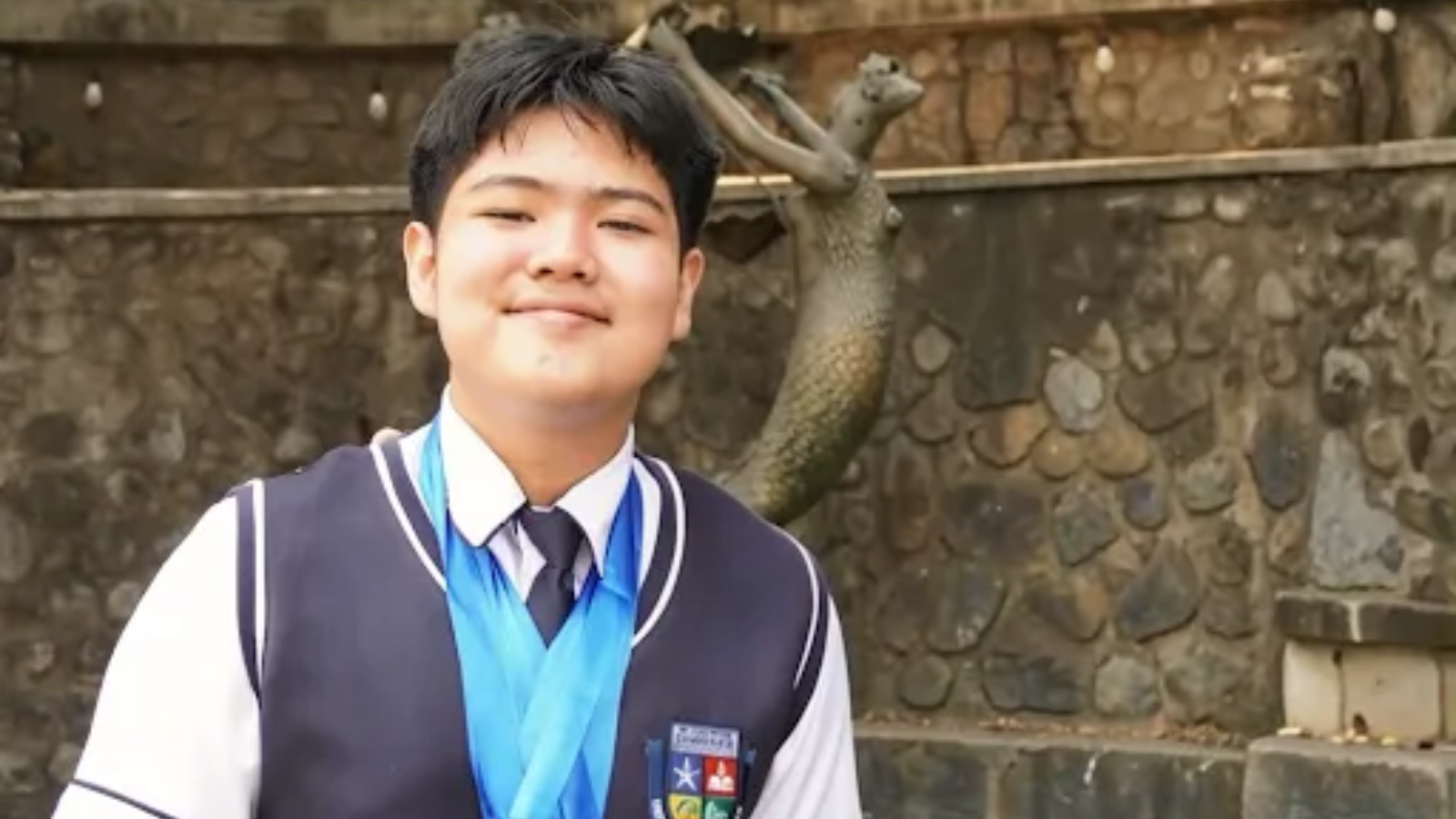
“To me, language is more than just a way of communicating. It allows us to express our thoughts, feelings, and ideas while helping us understand and connect with others. Through language, we can learn from different perspectives and build meaningful connections.”
Nathan J. MYP 4, Reef Rangers
Two students. Two perspectives. One celebration.
Their answers begin from different places, but both point toward something shared: language is more than a way of communicating. It carries memories, stories, traditions, and a sense of belonging.
For students growing up in an increasingly connected world, understanding Filipino language and culture can become part of understanding themselves.
Buwan ng Wika gives them a space to explore that connection, not simply by learning words or traditions, but by experiencing them, sharing them, and seeing their meaning through the eyes of others.
The celebration eventually ends. The costumes are put away. The performances become memories.
But the questions remain.
Where do our stories come from?
What shapes the way we see ourselves?
And how does knowing our own culture help us understand others?
At PCIS, cultural learning can be part of a much larger journey: knowing where we come from while becoming more open to the world around us.
Because being globally minded does not mean leaving your roots behind.
Sometimes, understanding the world begins with understanding the language, and the story that first taught us who we are.
PCIS Stories
A human-centered storytelling series by Philippine Cambridge International School, exploring learning, student experiences, culture, and life in an IB World School in Cavite.