
How Small Class Sizes Support Student Growth
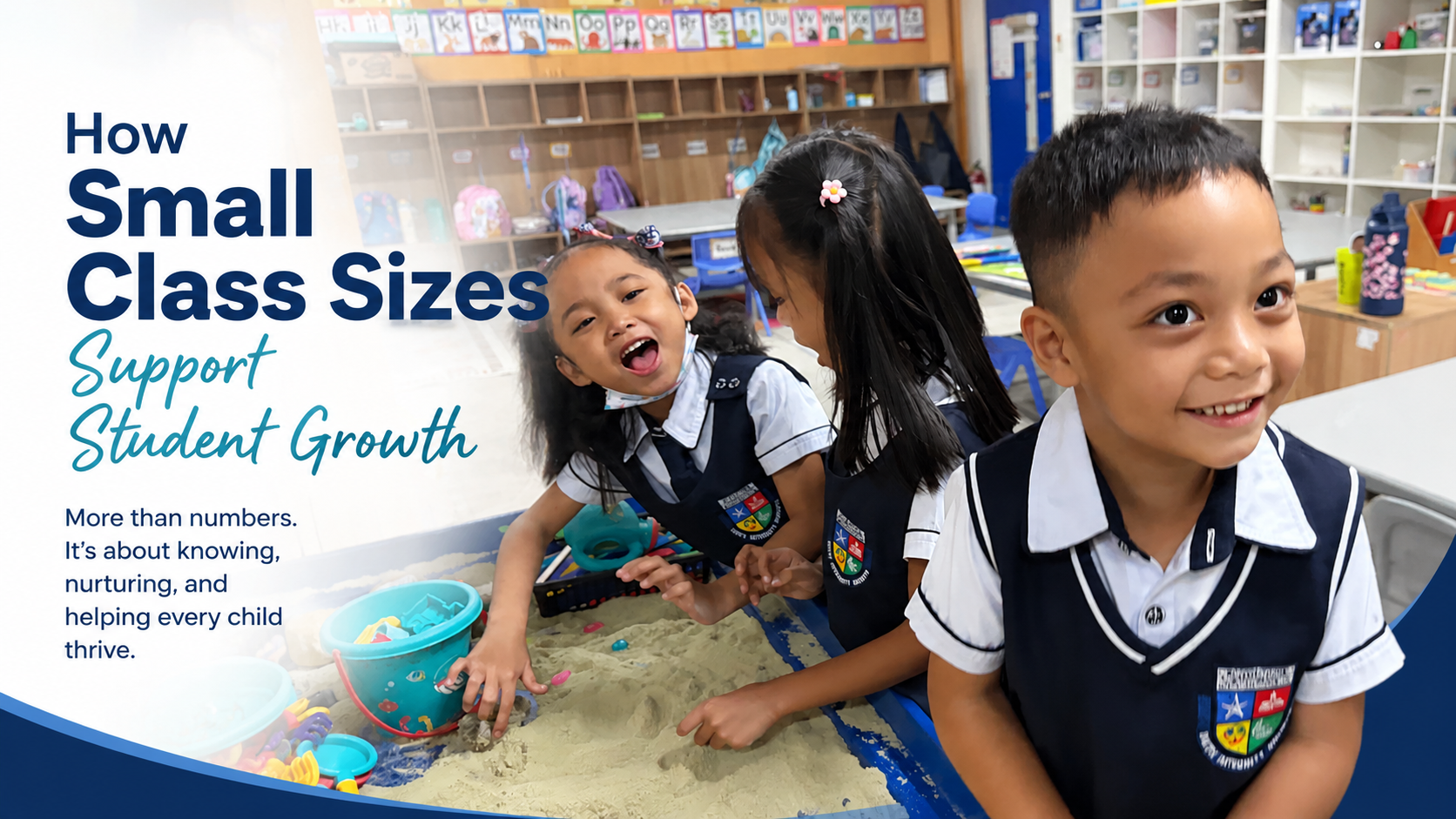
The Hidden Factor That Impacts Your Child’s Success
When selecting a school, most parents focus on curriculum, facilities, or reputation. These matter, but one critical factor often determines how well a child actually learns: class size.
In larger classrooms, it is easy for students to blend into the background, especially at the moments when they need guidance the most. Questions go unasked. Confusion goes unnoticed. Over time, small gaps can become bigger challenges.
In smaller classes, this changes completely.
For parents who want more than just academic results, this difference is not minor.
It is decisive.
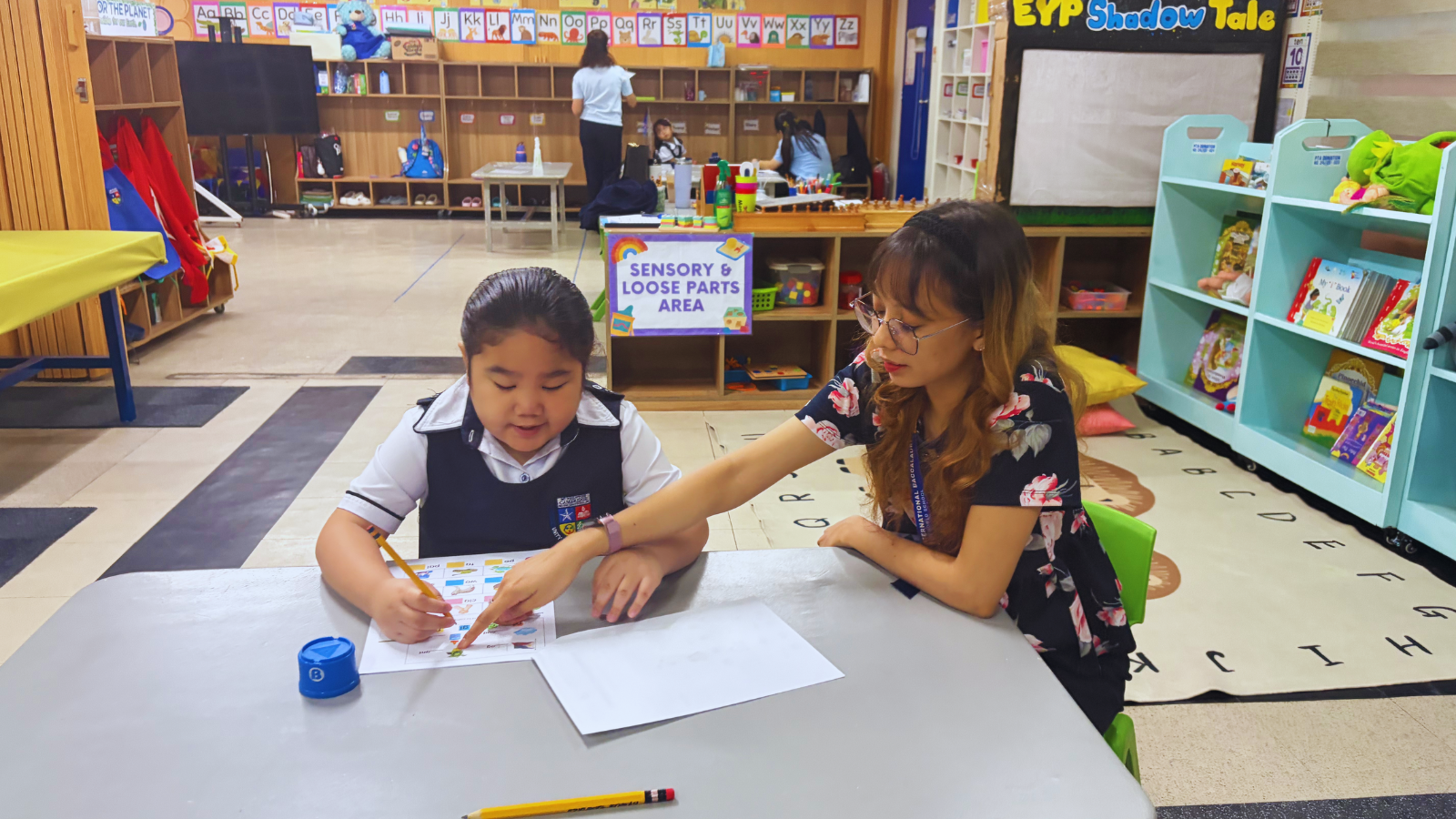 Personalized Learning That Prevents Students from Falling Behind
Why One-Size-Fits-All Teaching Does Not Work
No two children learn in exactly the same way. Yet in many classrooms, teaching is delivered at a fixed pace regardless of student understanding.
How Small Classes Change the Learning Experience
Smaller class sizes allow teachers to:
- Recognize how each student processes information
- Adjust instruction in real time
- Provide immediate, targeted feedback
When a student hesitates or struggles, it is noticed early, before frustration builds or confidence drops.
What This Means for Your Child
- Stronger comprehension
- Fewer learning gaps
- Consistent academic progress
Students stay on track instead of catching up later.
Confidence Grows When Students Feel Seen and Supported
The Link Between Confidence and Academic Success
Academic success is not only about ability; it is deeply connected to confidence.
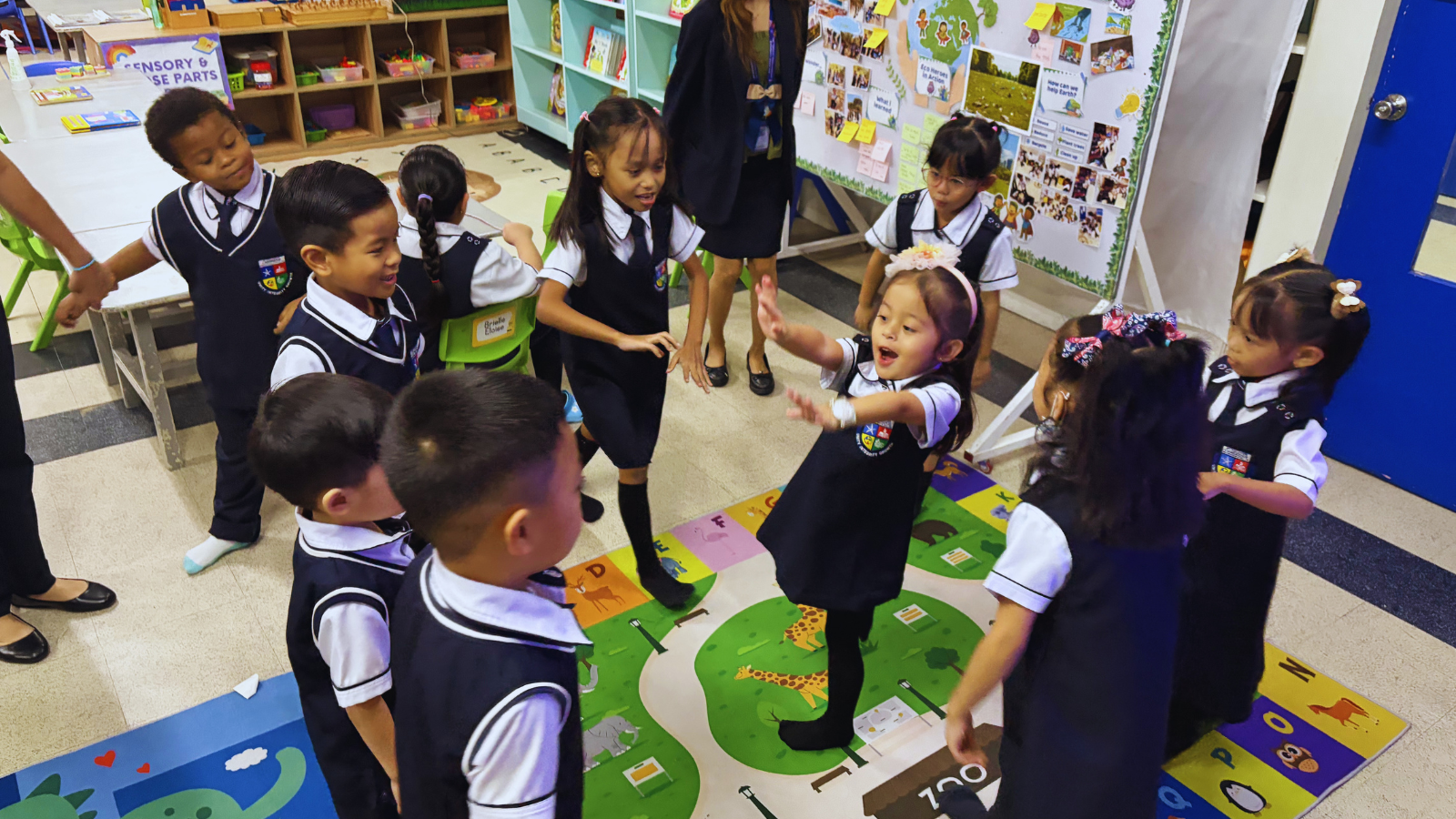
What Happens in Smaller Classrooms
- Students are known individually
- Teachers build genuine relationships
- Questions are encouraged and supported
The Long-Term Impact
Students become:
- More confident in expressing ideas
- More willing to participate
- More engaged in learning
Confidence develops naturally through consistent support.
Every Voice Matters: Building Communication and Critical Thinking
The Problem in Larger Classrooms
In many large classes, only a few students actively participate while others remain silent
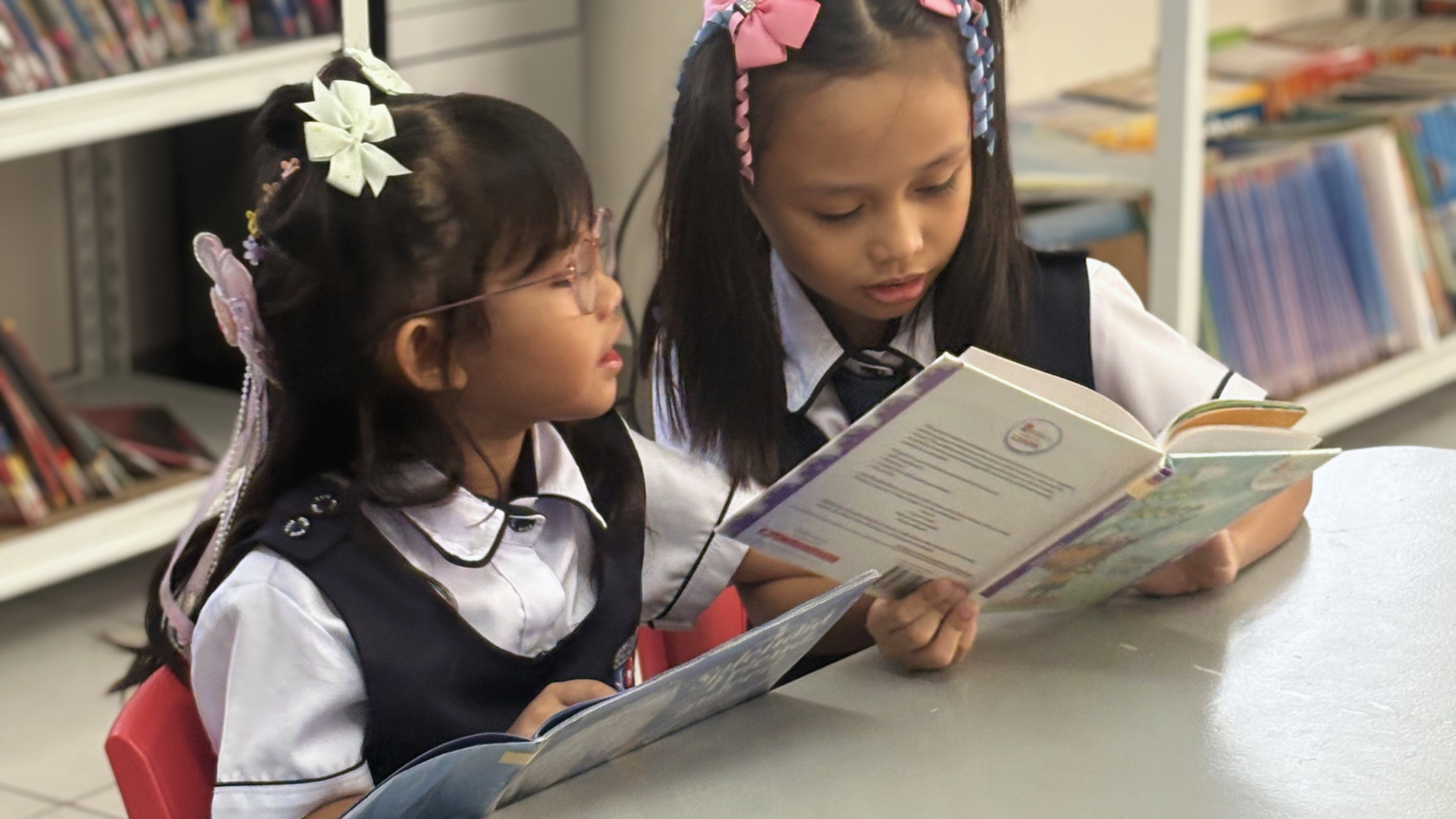 The Advantage of Smaller Learning Environments
Smaller settings encourage:
- Open discussions
- Active participation
- Collaborative learning
Skills Students Develop
Students do not just absorb information; they learn how to analyze, communicate, and lead.
These skills prepare them beyond the classroom.
Targeted Support for Every Learner
Different Students, Different Needs
Some students need reinforcement, while others need greater challenge.
How Small Class Sizes Respond Effectively
Teachers can:
- Support students who need extra guidance
- Extend learning for advanced students
- Adapt strategies based on individual needs
Balanced and Effective Learning
No student is overlooked or under-challenged.
Learning becomes precise, balanced, and effective.
A Learning Environment Where Students Truly Belong
Why Belonging Matters
Students perform better when they feel safe, respected, and connected.
What Small Classrooms Create
- Stronger peer relationships
- Greater emotional security
- A more focused learning atmosphere
The Result
When students feel they belong, they engage more, participate more, and perform better.
Preparing Students for a Demanding, Global Future
Skills Needed Beyond Academics
Today’s learners must develop:
- Communication skills
- Independent thinking
- Collaboration abilities
How Small Classes Support This
Students become:
- More articulate
- More confident in discussions
- More adaptable in different environments
These are essential traits for higher education and global opportunities.
Why This Should Matter in Your Decision
Choosing a school is one of the most important decisions you will make for your child.
What to Look Beyond
Do not focus only on curriculum or facilities. Consider how your child will actually experience learning every day.
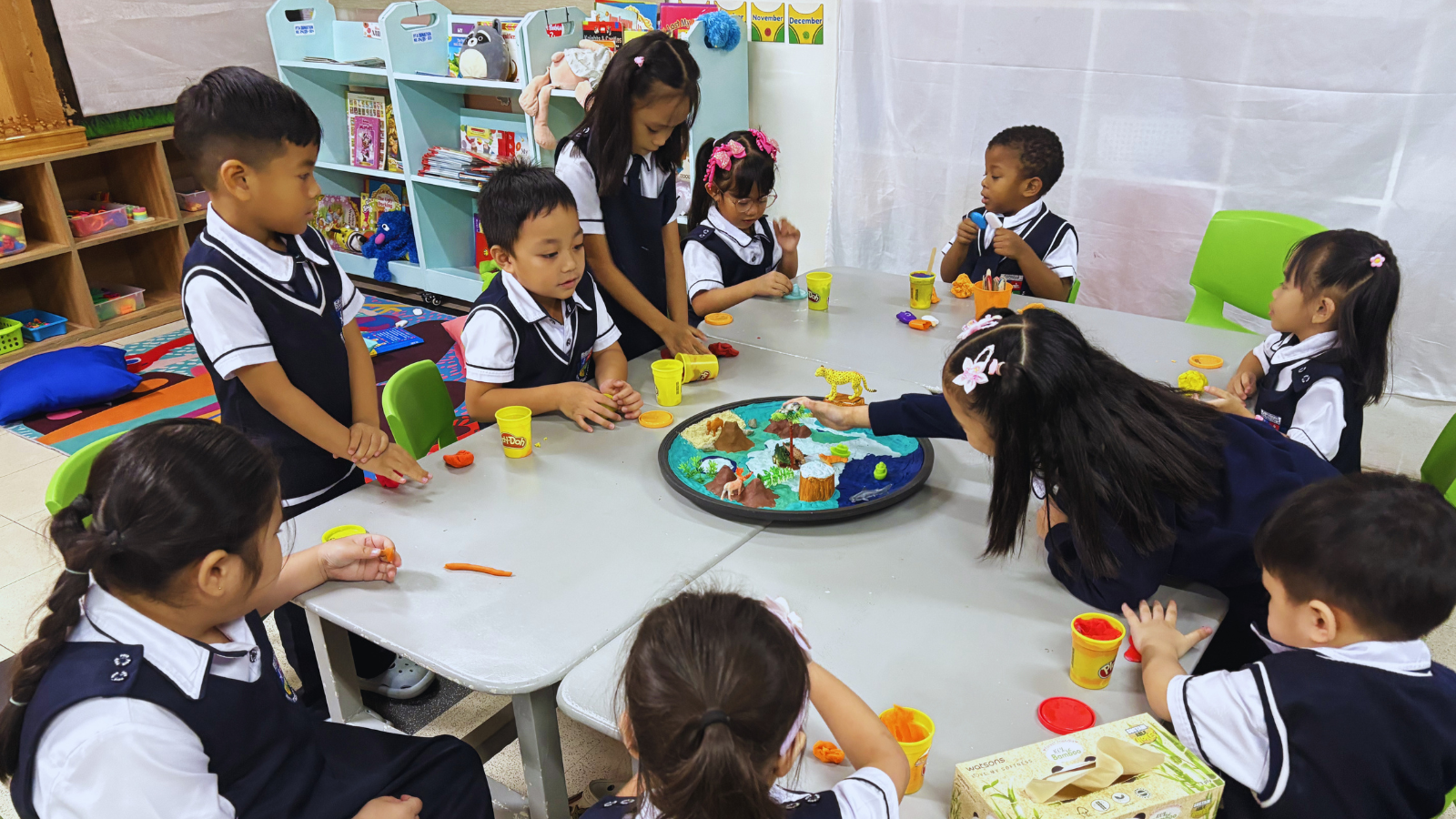 What Small Class Sizes Ensure
Your child is:
- Guided intentionally
- Supported consistently
- Challenged appropriately
This is the difference between attending school and truly thriving.
Experience the Difference Before You Decide
What to Observe During a Visit
When visiting a school, pay attention to:
- Teacher and student interaction
- Student participation
- Classroom engagement
These details reveal the true learning environment.
Take the Next Step for Your Child’s Future
If you are considering the best environment for your child’s growth:
📌 Schedule a campus visit
📌 Observe real classroom interactions
Before making a final decision, experience the difference firsthand.
Frequently Asked Questions About Small Class Sizes
Do smaller class sizes really improve academic performance?
Yes. Smaller class sizes allow teachers to provide more individualized attention, identify learning gaps early, and adjust teaching methods based on each student’s needs. This leads to stronger understanding and more consistent academic progress.
Will my child receive enough challenges in a smaller class?
Absolutely. Smaller classes do not mean less rigor. In fact, they allow teachers to better stretch students who are ready for advanced material while still supporting those who need reinforcement.
How do small class sizes affect student confidence?
In smaller classrooms, students are more visible, heard, and encouraged to participate. This consistent engagement helps build confidence, especially for students who may feel hesitant in larger group settings.
Are small classes better for shy or introverted students?
Yes. Smaller environments create a more comfortable space where students feel safer to express themselves. Over time, this encourages participation and builds communication skills naturally.
Do small class sizes prepare students for real-world environments?
Strongly. Students develop communication, collaboration, and critical thinking skills through active participation. These are essential for higher education and future careers.
How can I tell if a class size is right for my child?
The best way is to observe it. During a campus visit, notice how teachers interact with students, how engaged students are, and whether every learner is actively involved.
More Articles
Sep 07, 2026
Every Learner Has a Different Starting Point: Understanding Learning Support and Inclusion

Aug 14, 2026
Best International Homeschool Curriculum in the Philippines: What Parents Need to Know
Jul 31, 2026