Understanding the IB Programme: PYP, MYP, and DP Guide
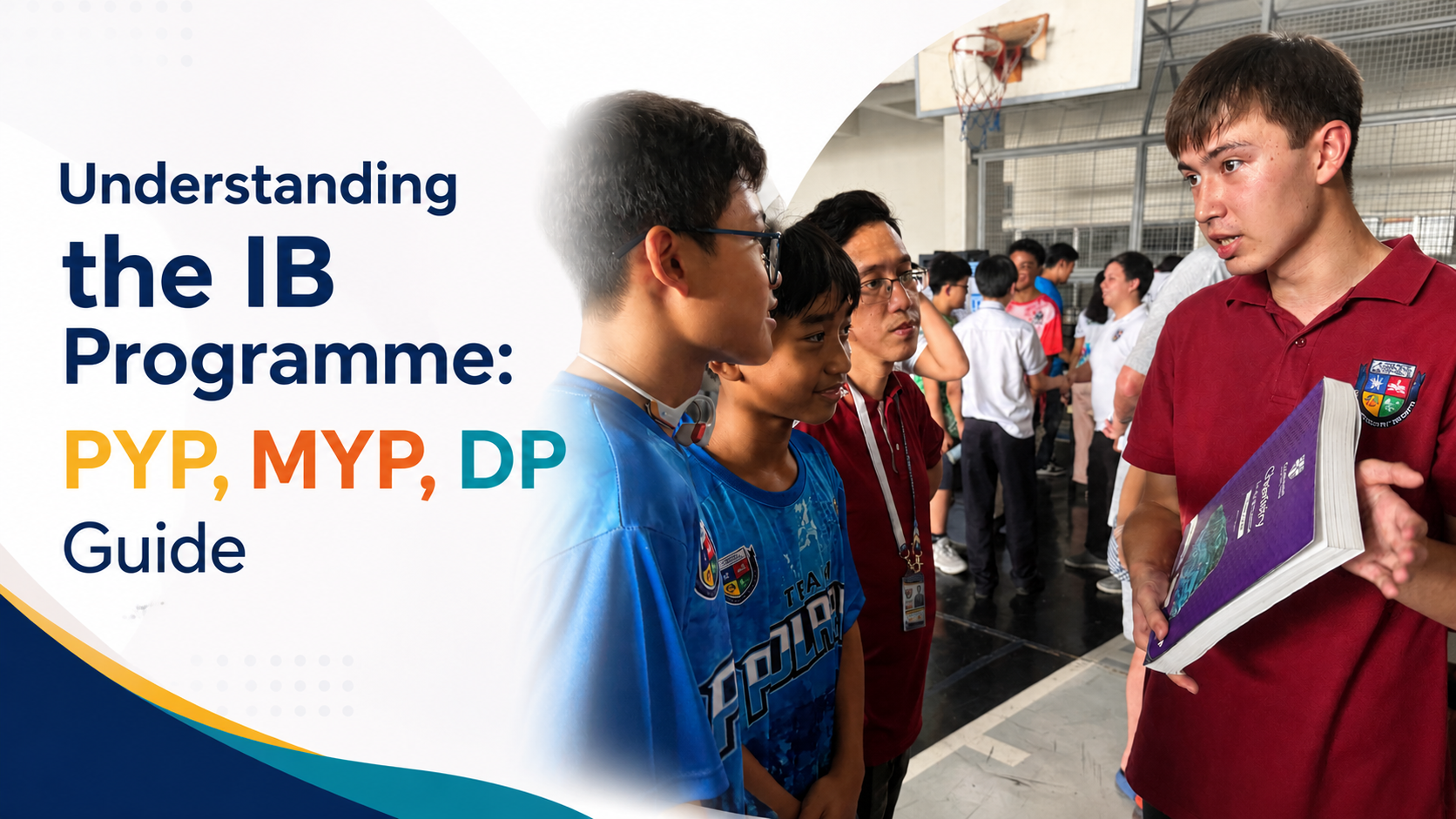
As a parent, you want a clear understanding of how your child will grow in school, not just academically, but as a person. You want to know what they will experience, how they will learn, and where it will lead.
When you first hear about the IB programme, it can feel a bit overwhelming. Terms like PYP, MYP, and DP are often mentioned, but not always explained in a simple way.
This is where many parents pause. Once you understand how these stages connect, the bigger picture becomes clearer, and more meaningful.
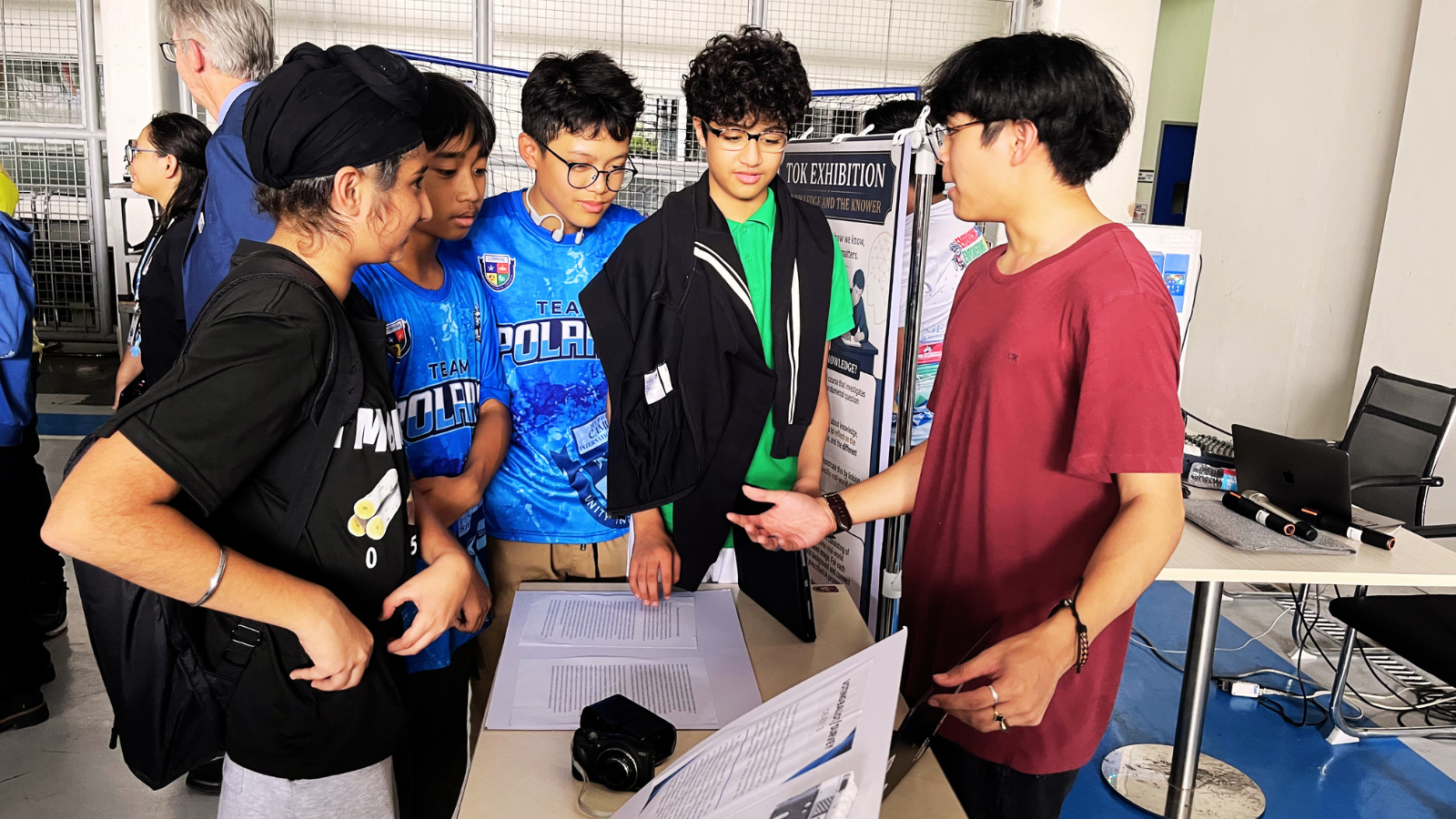
What You Need to Know at a Glance
- The IB programme has three main stages: PYP, MYP, and DP
- Each stage builds on the previous one
- Focus is on thinking, not memorization
- Prepares students for global education and real-world challenges
What Is the IB Programme and How It Works
The International Baccalaureate programme is a globally recognized educational framework designed to develop students both academically and personally.
Instead of focusing only on subjects, it emphasizes how students think, ask questions, and connect learning to real situations. This is where many traditional systems fall short.
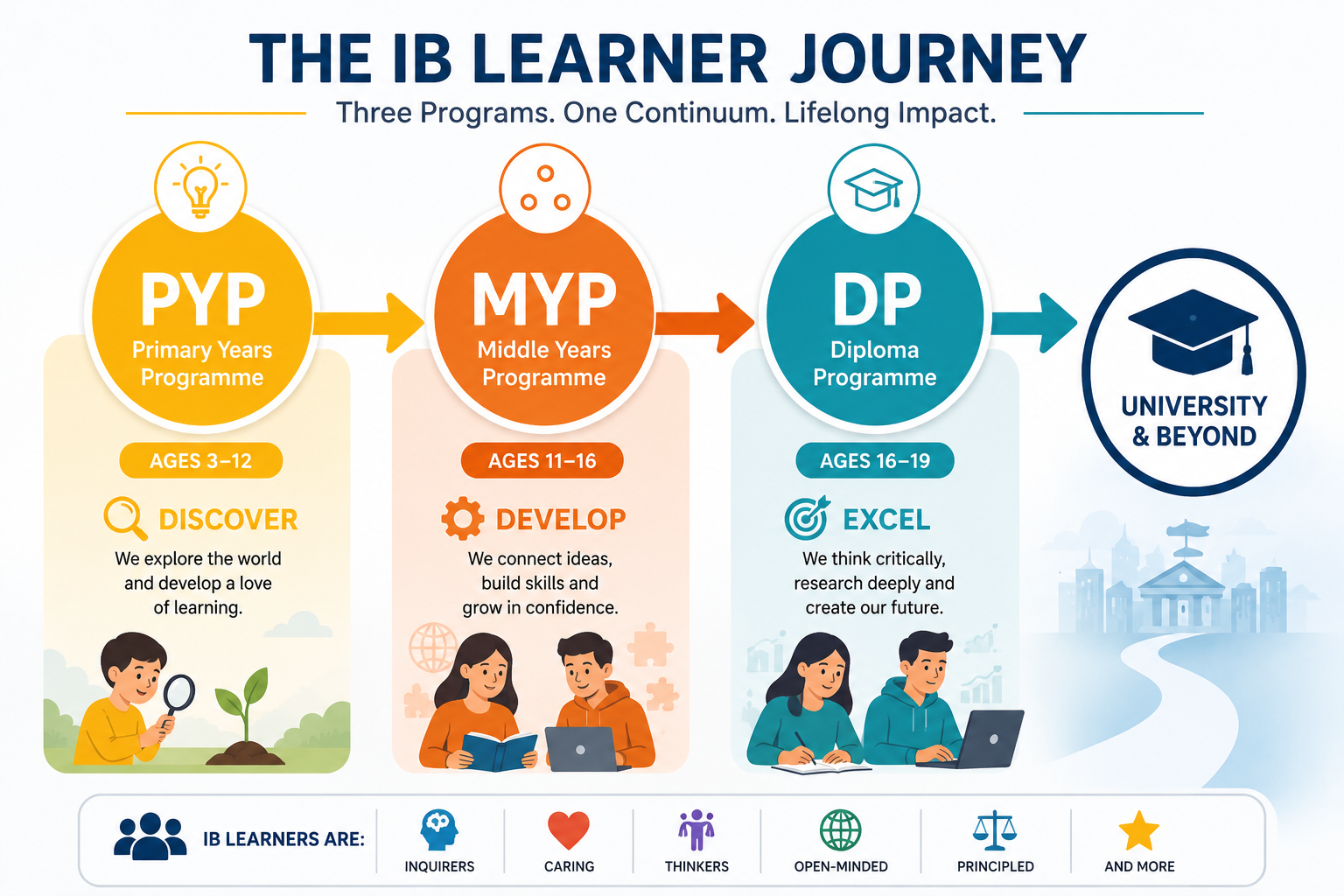
The programme is divided into three key stages. Each one is designed to match a student’s development as they grow.
The Three IB Stages Explained
- Primary Years Programme (PYP): Focuses on curiosity and foundational learning through exploration
- Middle Years Programme (MYP): Develops critical thinking and real-world connections through projects and group discussions
- Diploma Programme (DP): Prepares students for university through research, presentations, and independent thinking
Why It Matters for Your Child
Understanding the structure is one thing. Seeing its impact is another.
In an IB environment, students are encouraged to participate, question, and express ideas from an early age. At first, it may feel unfamiliar. Speaking up, sharing thoughts. Not every child is used to that.
But over time, you will notice a shift. A student who once waited for instructions may begin taking initiative. They start thinking more independently.
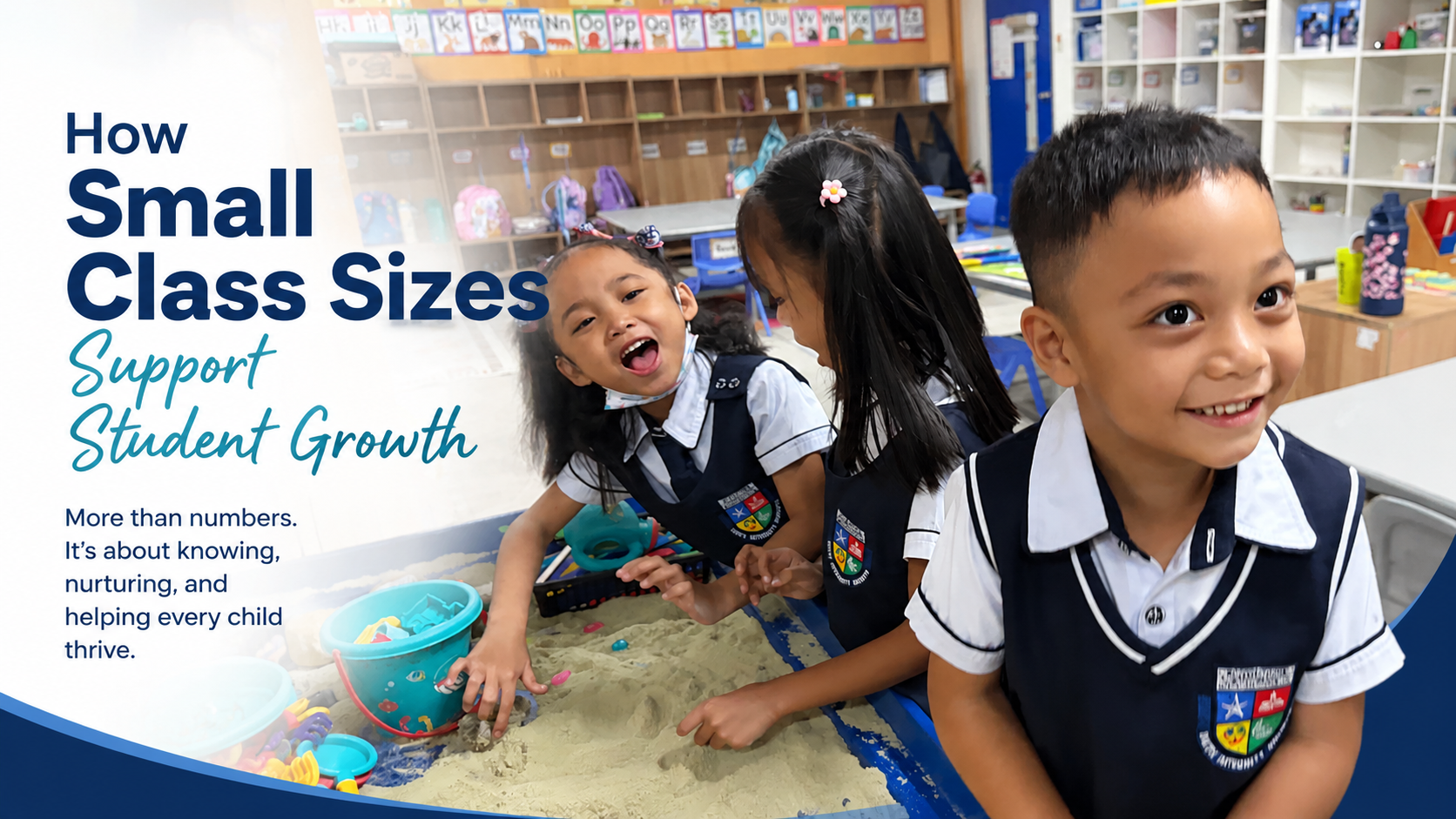
A young learner presenting a simple idea in class may seem like a small moment. But those moments build confidence that carries forward.
What Parents Often Notice Over Time
- Their child becomes more curious and engaged
- They express ideas more clearly and confidently
- They begin connecting lessons to real-life situations
- They take more ownership of their learning
Long-Term Impact
Over time, these habits become part of who your child is. You will start to notice it in small ways. How they ask questions. How they explain ideas. How they approach challenges.
Without this kind of progression, many students move from one level to another without truly developing how they think.
Parents who choose this kind of education early are usually thinking long-term, not just about school, but about the kind of future their child will step into.
How It Looks in a Real Learning Environment
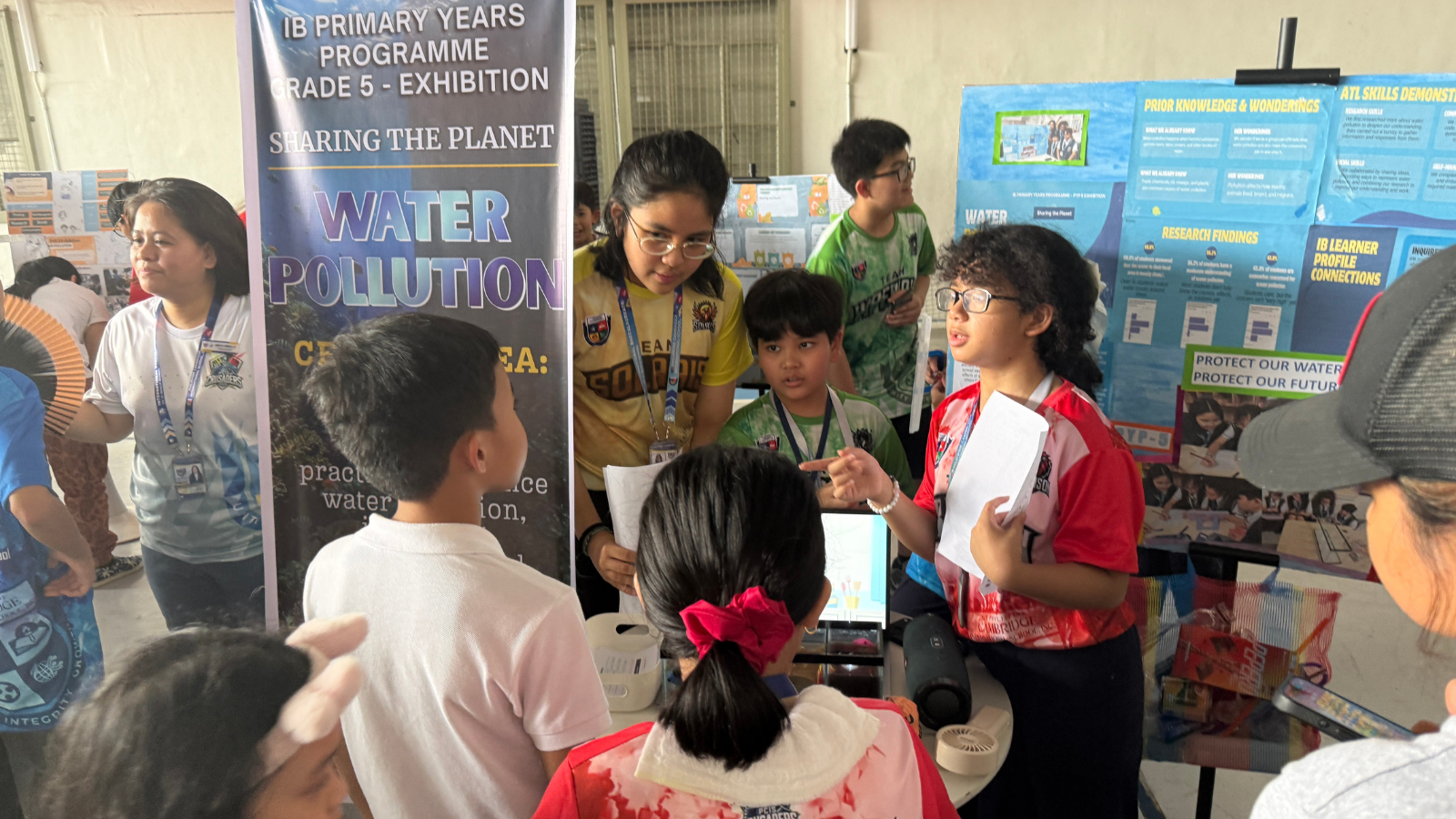
In a real IB classroom, learning feels active. Students are not just listening. They are participating.
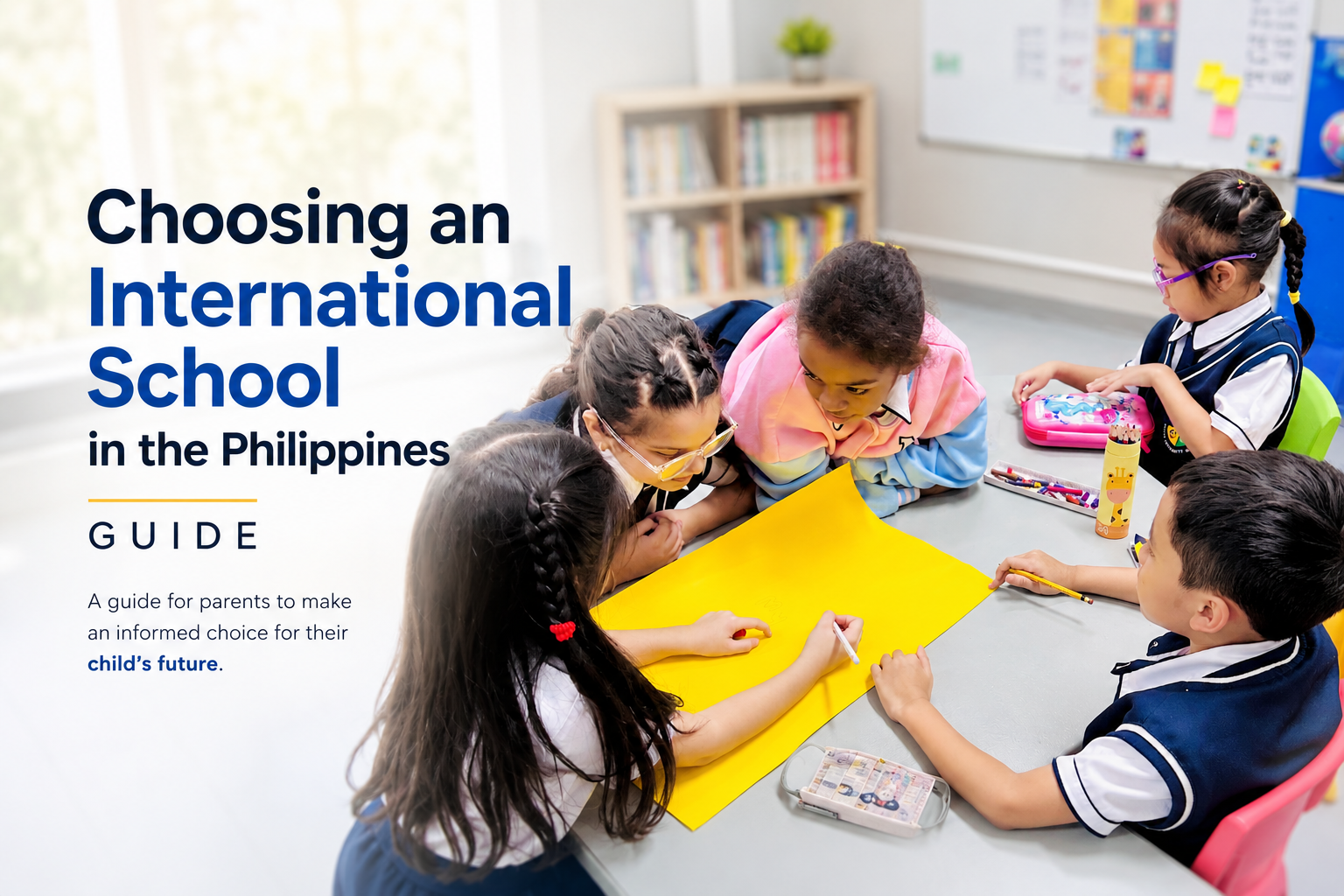
You may see younger students exploring ideas through activities and guided questions. As they grow, they begin working on research-based tasks, collaborating in groups, and presenting their ideas.
It is not always easy at the beginning. That is normal. Growth often starts with a bit of discomfort.
Classroom or Student Experience
Students engage in discussions, work on projects, and reflect on their learning. Teachers guide the process, helping students build both knowledge and confidence.
Over time, this shapes how they think, not just what they know.
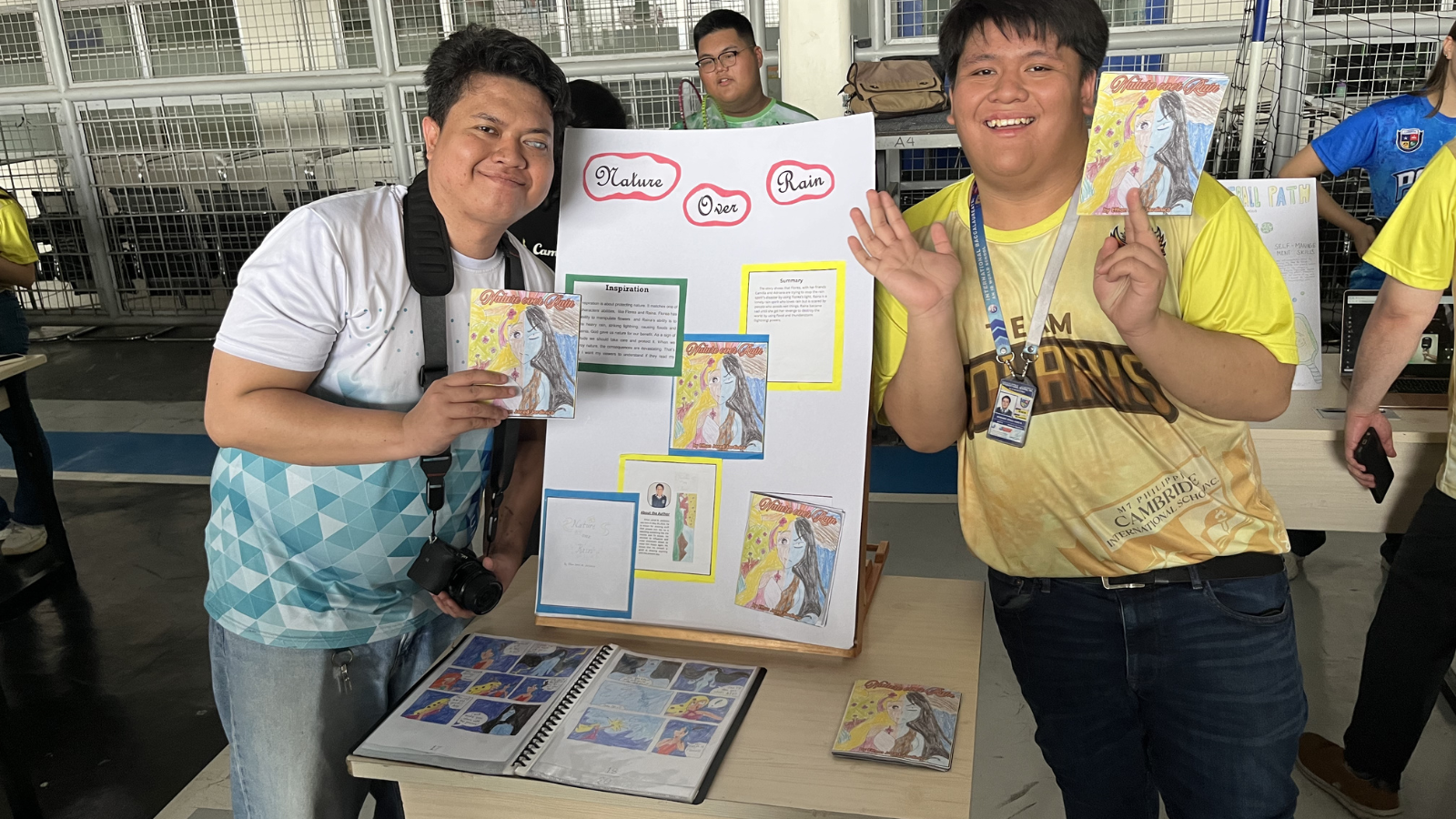
How Philippine Cambridge International School Applies This
At Philippine Cambridge International School, the IB programme is implemented across all levels, from PYP to DP, with a clear and structured progression.
Students are guided by IB-trained educators who understand how to support each stage of development. This ensures consistency as students move forward.
The school also fosters a multicultural environment where students interact with different perspectives. This builds confidence, adaptability, and real-world awareness.
The IB programme is not just a curriculum. It is a system that grows with your child.
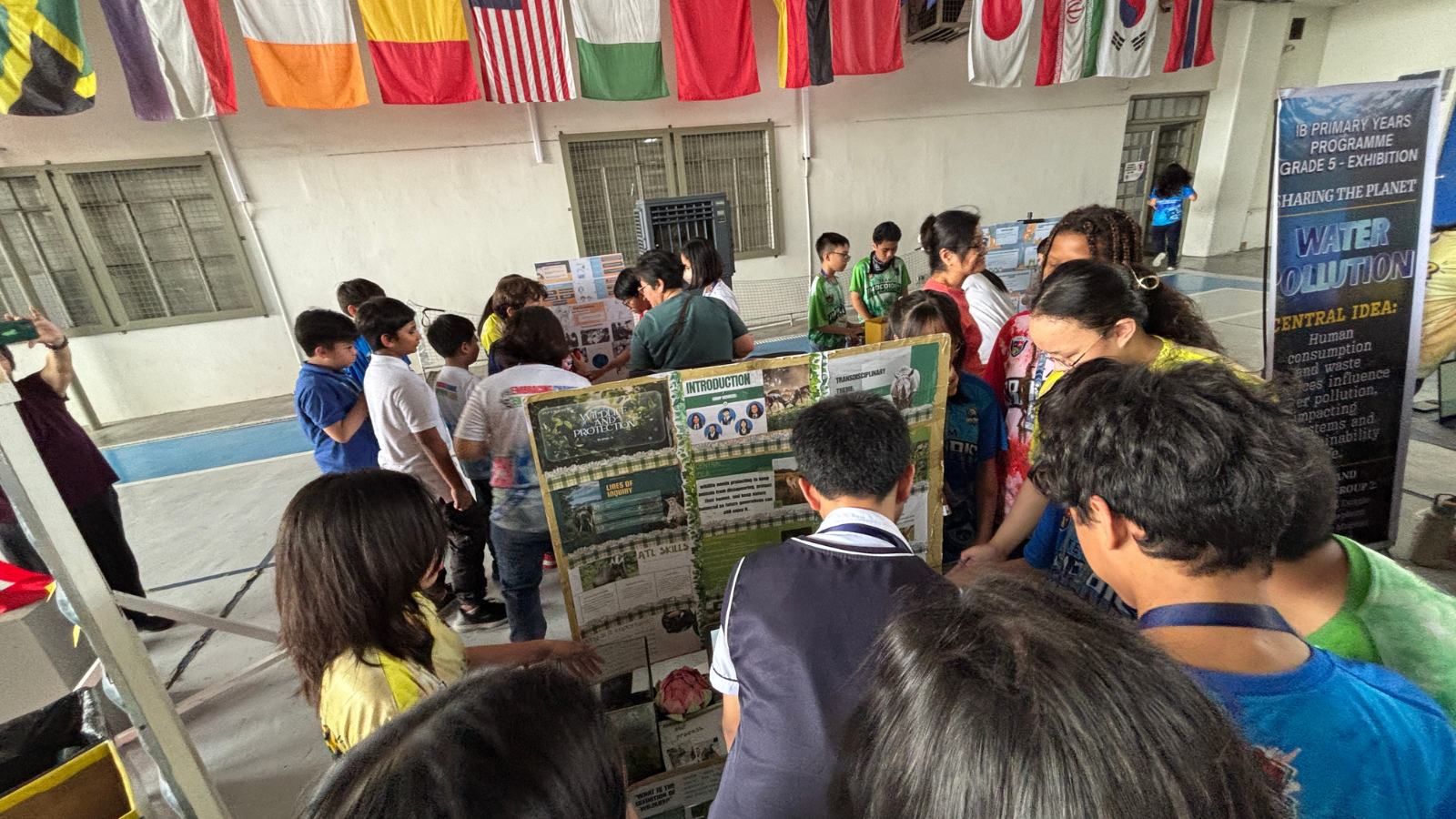
What This Means for Your Child’s Future
When you look at the IB programme as a whole, it becomes more than a structure. It becomes a journey.
From early curiosity to independent thinking, each stage builds toward something bigger. Over time, your child becomes more confident, more capable, and more prepared to take on new challenges.
And you will see it. In how they think. In how they speak. In how they carry themselves.
Explore the Right Learning Environment for Your Child
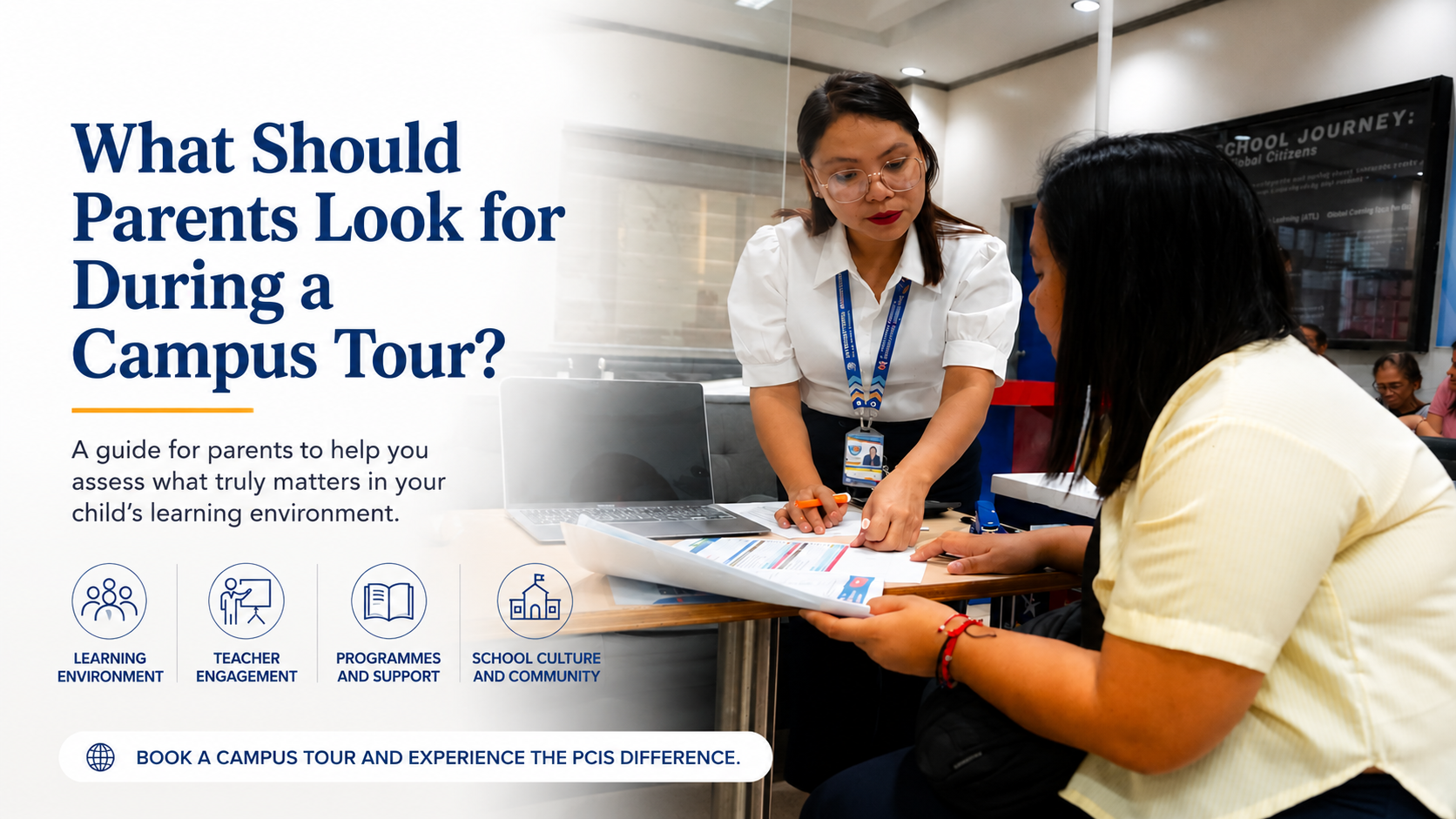
See how this journey feels in a real classroom setting. Visit PCIS and experience how students grow through each stage of learning.
Common Questions About the IB Programme
What age does the IB programme start?
The IB programme can begin as early as the primary years through the PYP.
Is the IB programme difficult?
It can be challenging, but it focuses on understanding and growth rather than memorization alone.
Is the IB programme recognized internationally?
Yes, it is widely recognized by universities and institutions around the world.