
How Inquiry-Based Learning Helps Children Become Independent Thinkers
Exploring how curiosity, questions, and meaningful investigation help learners develop deeper understanding, confidence, and ownership of their learning.
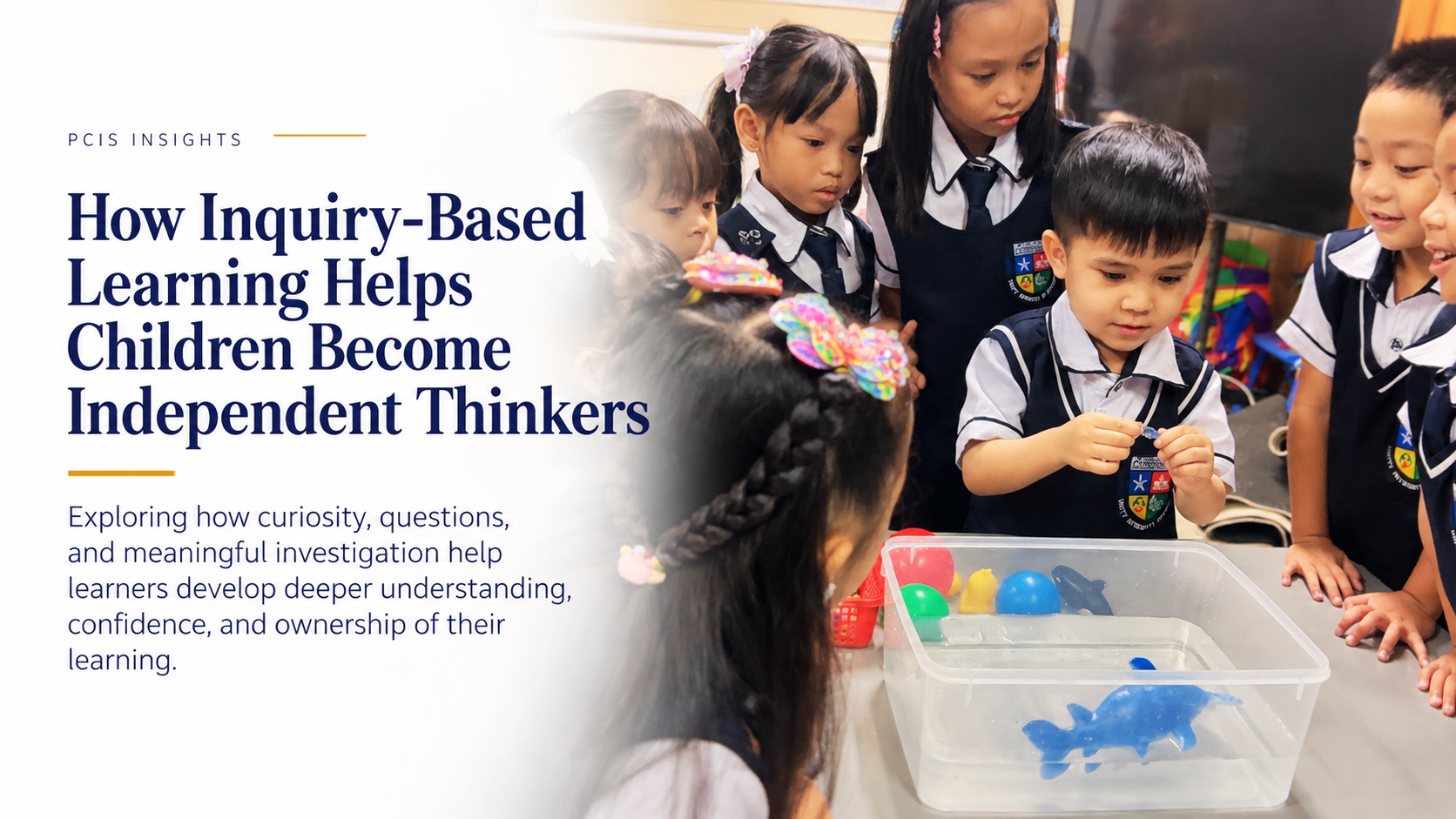
When your child asks “Why?”, “How?”, or “What if?”, you may see it as simple curiosity.
But those questions can be the beginning of something much bigger.
As a parent, you may wonder: How can a school help my child become confident enough to ask questions and capable enough to explore meaningful answers?
This is where inquiry-based learning becomes important.
Rather than simply receiving information, children are encouraged to ask questions, explore ideas, investigate possibilities, make connections, and reflect on what they discover.
The goal is not simply to help children know more.
It is to help them become more confident, thoughtful, and independent thinkers.
 What Is Inquiry-Based Learning?
Imagine your child is learning about plants.
Instead of simply memorizing the parts of a plant, the learning might begin with a question:
“What does a plant need to grow?”
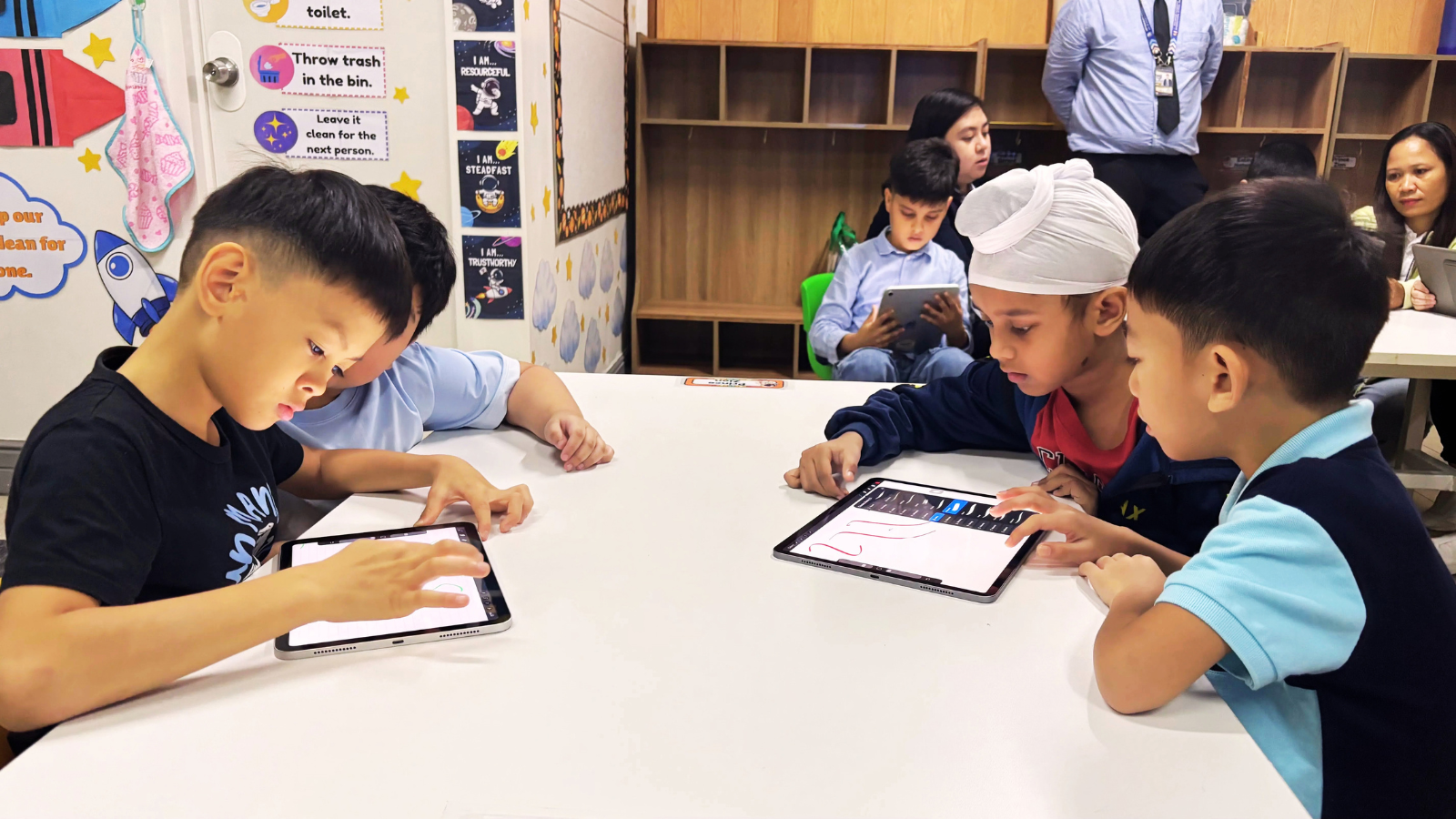
Your child might observe different plants, compare their growth, investigate what happens when conditions change, discuss observations with classmates, and develop an explanation.
The teacher provides guidance, resources, and questions but the learner becomes an active participant in discovering meaning.
This is the heart of inquiry-based learning.
It uses questions, investigation, exploration, and reflection to help children develop deeper understanding.
And importantly, inquiry can look different depending on a child's age and stage of development.
Why Should Parents Care About Inquiry-Based Learning?
You may already know that academic knowledge matters.
But as your child grows, they will face situations where there is no worksheet telling them exactly what to do.
They will need to:
- evaluate information
- solve unfamiliar problems
- consider different perspectives
- communicate their ideas
- make decisions
- adapt to new situations
This is why independent thinking matters.
Inquiry-based education gives children opportunities to practice these skills while they are still developing.
 How Can Inquiry Help Your Child Think Independently?
It Starts With Curiosity
Children naturally want to understand the world around them.
A question such as “Why does this happen?” can become an opportunity to observe, explore, and investigate.
Instead of immediately giving your child the answer, an inquiry-based learning environment can encourage them to think:
“How can I find out?”
That small shift can make curiosity an active part of learning.
It Teaches Children to Look Beyond the First Answer
Sometimes, there is more than one possible explanation.
When learners investigate questions, they can begin to examine evidence, compare ideas, and consider different perspectives.
They may ask:
What do I know?
What do I still need to find out?
What evidence supports this idea?
Could there be another explanation?
These habits encourage children to move beyond simply remembering information.
They begin to think through information for themselves.
It Gives Learners a Sense of Ownership
As a parent, you want your child to eventually become capable of managing their own learning.
That independence does not happen overnight.
It develops gradually when children are given meaningful opportunities to:
- ask their own questions
- explore different ideas
- make choices
- collaborate with others
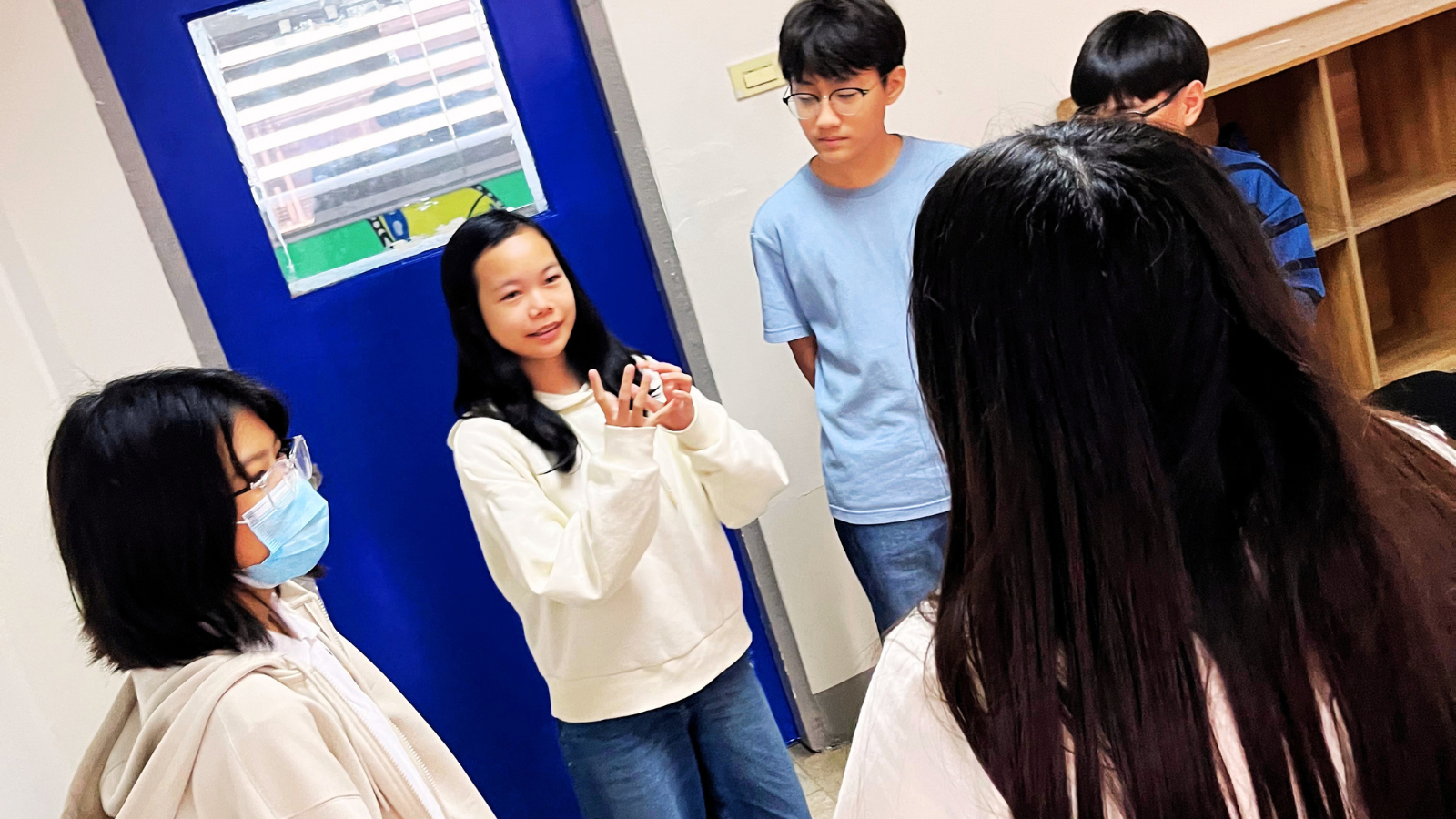
- explain their thinking
- reflect on what they have learned
This is where learner ownership becomes important.
The goal is not to remove structure or leave children to figure everything out alone.
It is to create an environment where they increasingly understand why they are learning and how they can participate in that process.
 What Does Inquiry-Based Education Look Like in the Classroom?
You may be wondering what inquiry actually looks like during a normal school day.
It does not always involve a large research project.
Sometimes, it can begin with a simple classroom question:
“What do you notice?”
Then:
“Why do you think that happened?”
And eventually:
“How could we find out?”
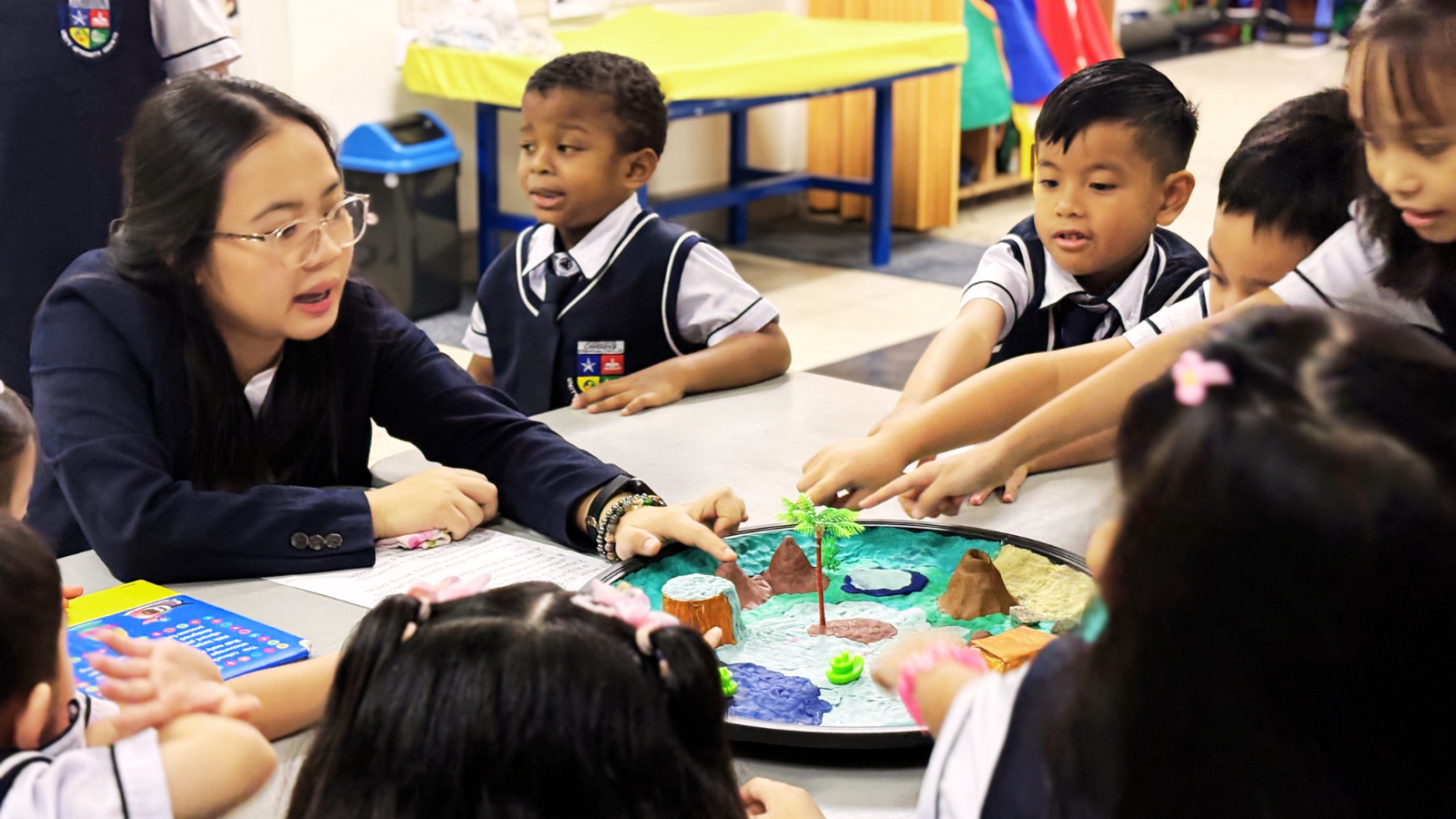
From there, students might observe, discuss, research, experiment, collaborate, present their ideas, and reflect on what they discovered.
The teacher remains an important part of the process—providing guidance, resources, questions, and appropriate challenges.
The difference is that children are not simply receiving information.
They are learning to engage with ideas and develop their own understanding.
How Does Inquiry Connect to IB Education?
For parents considering an IB World School, understanding inquiry is an important part of understanding the IB approach.
Inquiry is an important element of IB education, where learners can develop inquiry alongside concepts, skills, reflection, and learner agency.
Across the IB continuum, learning develops progressively through the Primary Years Programme (PYP), Middle Years Programme (MYP), and Diploma Programme (DP).
As children grow, the questions they explore can become more complex.
The focus is not simply on helping learners accumulate knowledge.
It is also about helping them become capable of asking better questions, thinking more deeply, making connections, and approaching new situations with confidence.
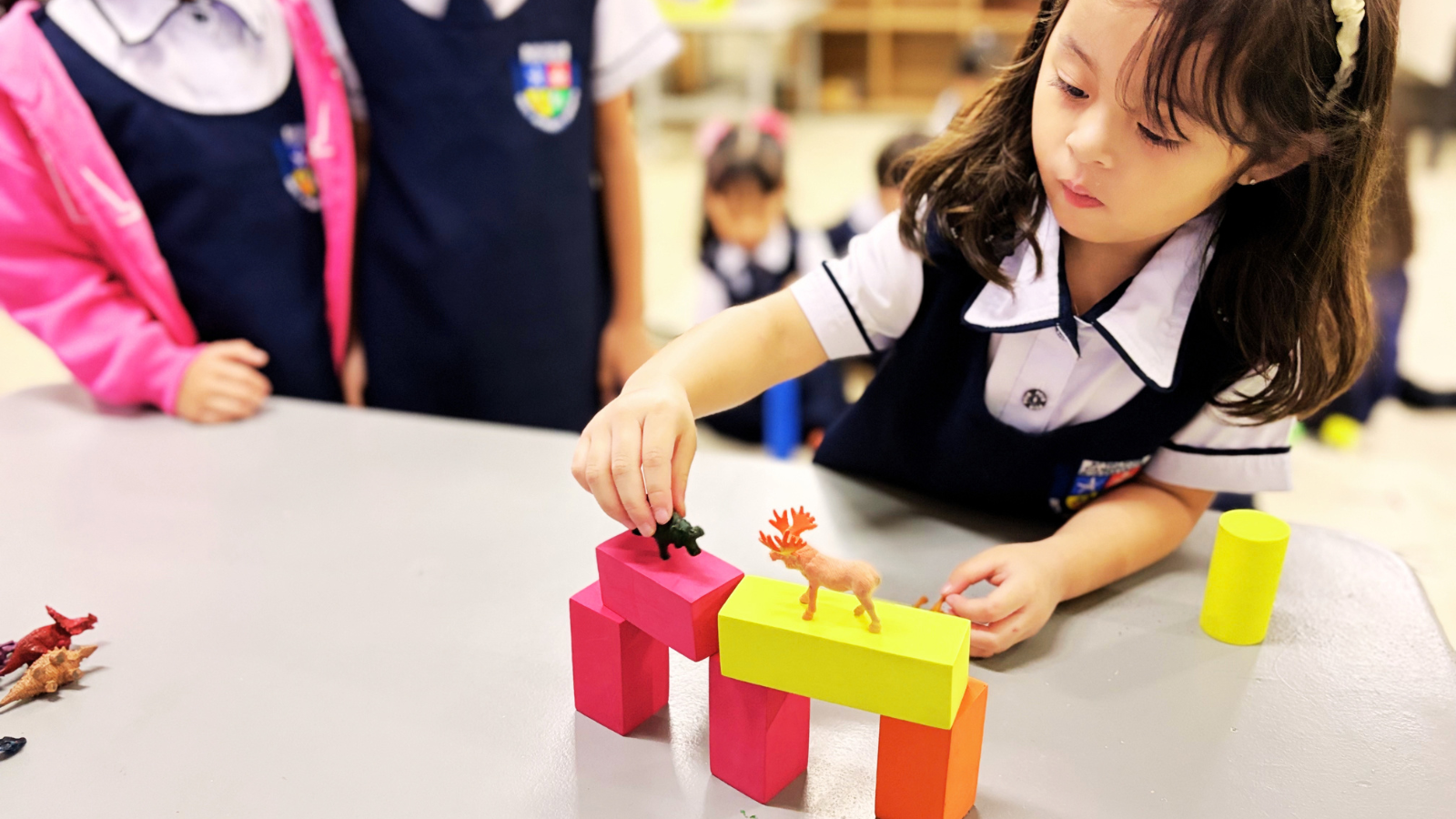 From Curiosity to Confidence
Think about the moment when your child finally figures something out after exploring a difficult question.
There is more happening than simply finding an answer.
Your child is beginning to experience:
“I can figure things out.”
That experience can build confidence.
It can also encourage learners to become more willing to explore unfamiliar ideas, make mistakes, reconsider their assumptions, and continue learning.
Over time, these experiences can help children become learners who are not afraid of difficult questions but are willing to pursue them.
Why Independent Thinking Matters Beyond School
As your child grows older, the world will not always provide clear instructions or predetermined answers.
University, careers, communities, and everyday life will present new situations that require judgment.
Your child may need to evaluate information, communicate an idea, work with people who think differently, solve unfamiliar problems, and adapt when circumstances change.
Education, therefore, should prepare children not only to know, but also to think.
Inquiry-based learning gives learners opportunities to practice these habits from an early age.
Helping Your Child Become a Thinker, Not Just an Answerer
As a parent, you may not always be able to predict what your child will need to know in the future.
But you can look for a learning environment that helps your child develop the ability to learn, question, reflect, and adapt.
A strong learning environment does not only ask:
“What is the right answer?”
It also encourages children to ask:
Why?
How?
What if?
What else could be possible?
That is where inquiry becomes more than a teaching method.
It becomes a way of developing learners who are increasingly capable of thinking for themselves.
Explore Your Child's Next Learning Journey
At Philippine Cambridge International School (PCIS), learners experience a student-centered international learning environment designed to nurture curiosity, critical thinking, collaboration, communication, and global awareness.
Through the IB PYP, MYP, and DP pathways, learners are encouraged to develop the knowledge, skills, and confidence needed to engage meaningfully with their learning and prepare for future opportunities.
If you are exploring inquiry-based education or an IB school in Cavite, discover how PCIS approaches learning.
Explore PCIS Programmes
Schedule a School Tour or Inquiry
The right learning environment can help your child become not only a better learner, but a more independent thinker.
Frequently Asked Questions About Inquiry-Based Learning
What is inquiry-based learning?
Inquiry-based learning uses questions, investigation, exploration, and reflection to help students develop deeper understanding rather than relying only on memorization.
What are the benefits of inquiry-based learning?
Inquiry-based learning can support curiosity, critical thinking, problem-solving, communication, collaboration, reflection, and learner ownership.
How is inquiry-based education different from traditional learning?
Inquiry-based education gives learners more opportunities to ask questions, investigate ideas, apply knowledge, and explain their thinking rather than focusing only on receiving and remembering information.
Is inquiry-based learning used in IB schools?
Inquiry is an important element of the IB educational approach, particularly within the PYP, where inquiry is part of a student-centered and concept-driven learning experience.
Does inquiry-based learning mean students learn without teachers?
No. Teachers remain essential. They guide learning, provide appropriate questions and resources, create learning experiences, and support students as they develop deeper understanding.
Can inquiry-based learning help children become independent thinkers?
Yes. Giving learners repeated opportunities to question, investigate, evaluate, reflect, and make connections can help develop greater confidence and independence in thinking.
More Articles
Sep 07, 2026
Every Learner Has a Different Starting Point: Understanding Learning Support and Inclusion

Aug 14, 2026
Best International Homeschool Curriculum in the Philippines: What Parents Need to Know
Jul 31, 2026