Best International Homeschool Curriculum in the Philippines: What Parents Need to Know
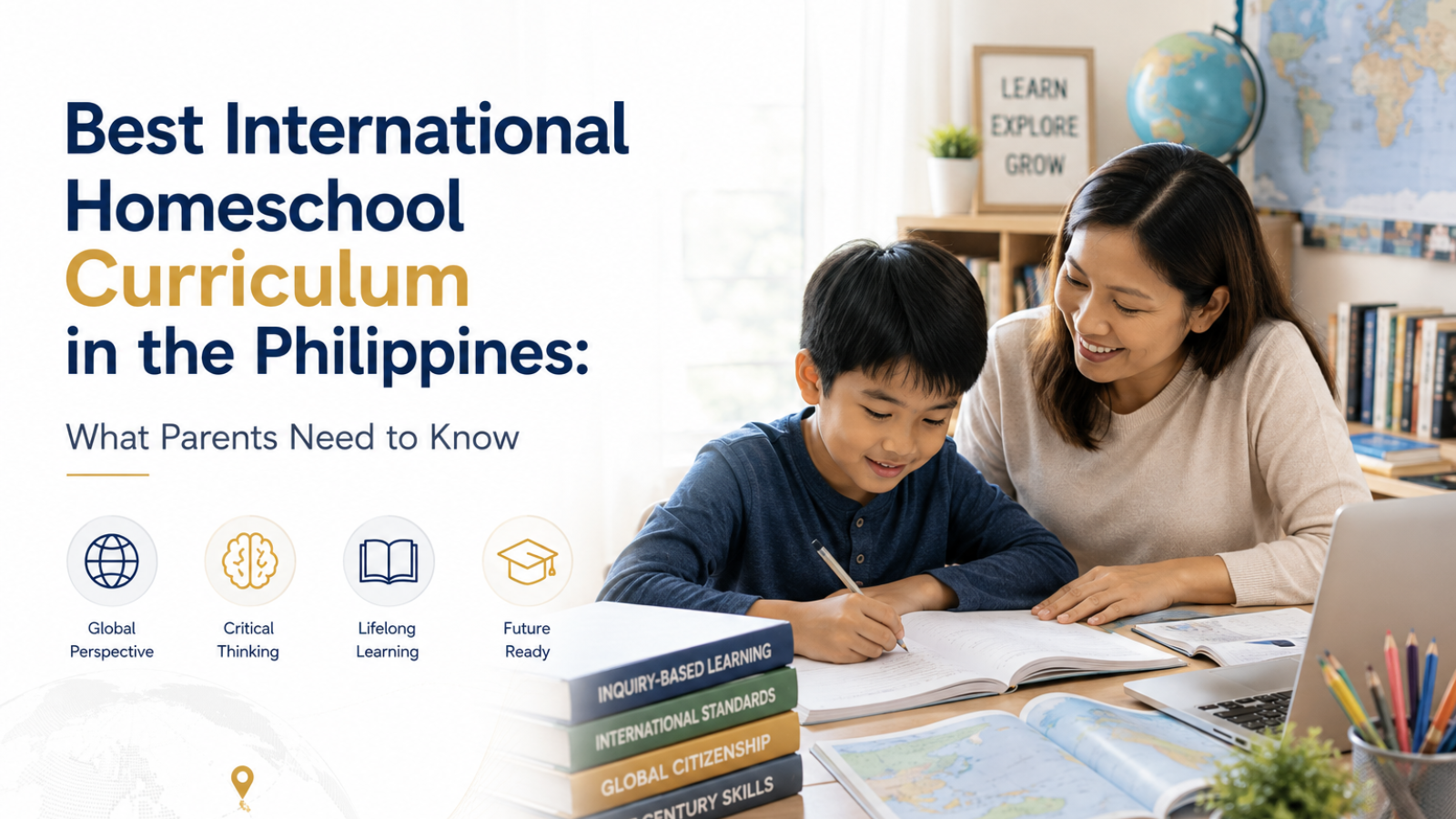
Choosing the right educational path for your child is one of the most important decisions a family can make. As more parents explore alternatives to traditional schooling, homeschooling has become an increasingly popular option in the Philippines.
However, not all homeschool programs are created equal. Beyond flexibility and convenience, parents must consider the quality of learning, academic standards, student support, and long-term opportunities available to their children.
If you are searching for the best international homeschool curriculum in the Philippines, this guide will help you understand what to look for and how to determine which learning environment best fits your child’s needs.
 Why More Filipino Families Are Considering Homeschooling
Families choose homeschooling for different reasons. Some seek greater flexibility, while others want a learning experience that can be tailored to their child’s pace, interests, and strengths.
The rise of digital learning platforms and alternative education models has also made homeschooling more accessible than ever before. Parents today have more choices when it comes to curriculum providers, learning resources, and support systems.
Yet while homeschooling offers many advantages, the effectiveness of the experience often depends on the curriculum
What Makes an International Homeschool Curriculum Different?
An international homeschool curriculum goes beyond covering academic subjects. It is designed to develop the knowledge, skills, and mindsets students need to succeed in a rapidly changing world.
Critical Thinking and Problem Solving
Rather than focusing solely on memorization, international curricula encourage students to analyze information, ask meaningful questions, and solve real-world challenges.
Communication and Collaboration
Students learn to express ideas clearly, engage in discussions, and communicate effectively with different audiences. These skills are increasingly valuable in higher education and future careers.
Global Awareness and Future Readiness
International programs often expose students to diverse perspectives and encourage a broader understanding of cultures, communities, and global issues. This helps prepare learners for opportunities beyond local contexts.
 How to Choose the Best International Homeschool Curriculum in the Philippines
When evaluating homeschool options, parents should look beyond marketing claims and focus on the quality of the learning experience.
Academic Quality
A strong curriculum should provide clear learning outcomes, structured progression, and recognized academic standards.
Student Engagement
Children learn best when they are actively involved in the learning process. Look for programs that encourage inquiry, exploration, and meaningful application of concepts.
Future Readiness
Education should prepare students not only for examinations but also for university, careers, and lifelong learning.
Support Systems
A quality homeschool program should provide access to guidance, resources, assessments, and opportunities for feedback to support both students and parents.
The Importance of Personalized Learning
One of the biggest advantages of homeschooling is the ability to personalize learning according to a child’s unique needs.
Every Child Learns Differently
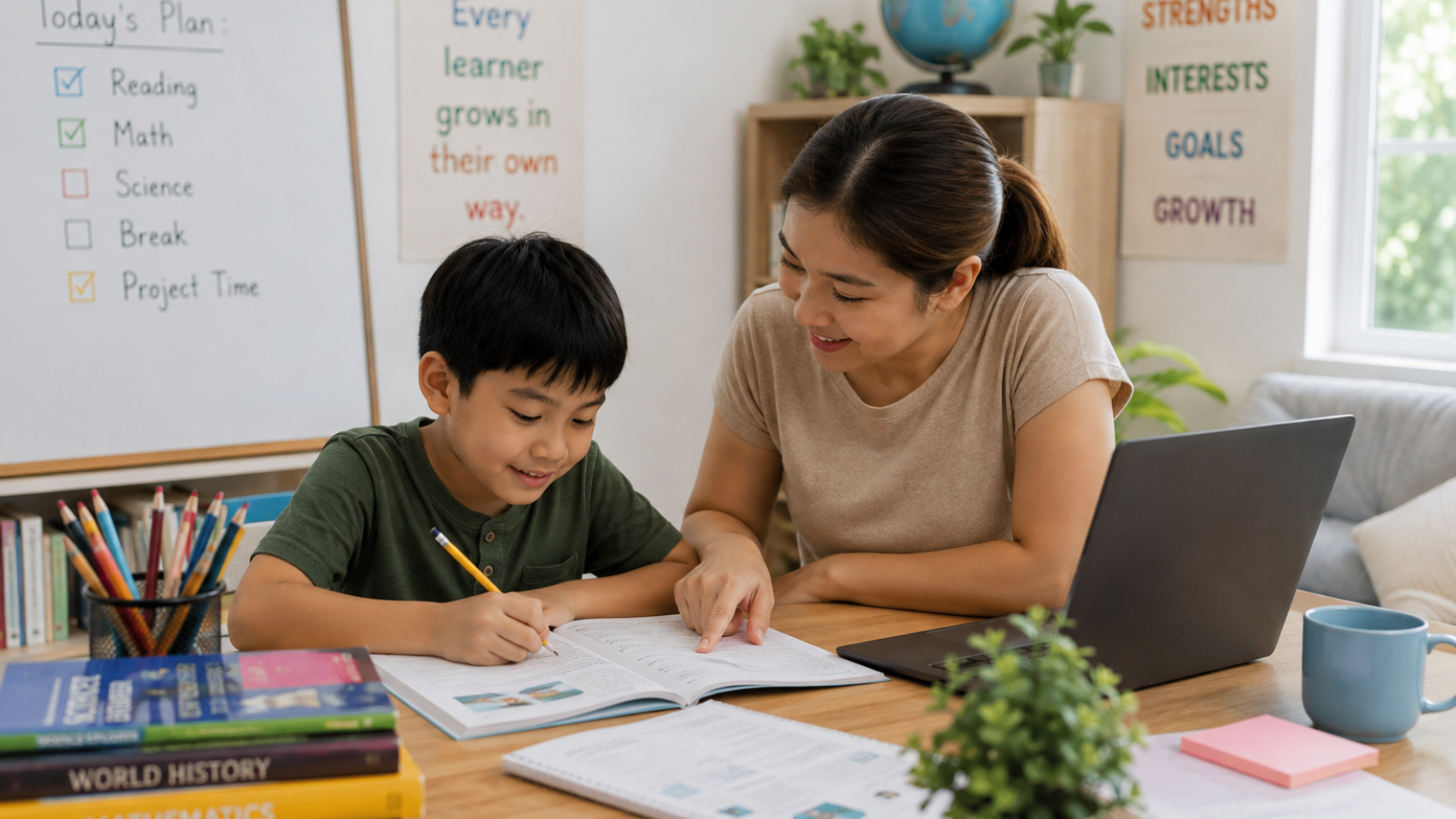
Some students thrive with independent learning. Others benefit from structured guidance, collaboration, or hands-on experiences. A personalized approach recognizes that learning is not one-size-fits-all.
Building Confidence Through Personalized Learning
When students learn at an appropriate pace and receive the support they need, they often develop greater confidence, motivation, and ownership of their learning journey.
Personalized learning helps students focus on understanding rather than simply completing requirements.
 Is Homeschooling the Right Choice for Every Child?
While homeschooling can be highly effective for many learners, it may not be the ideal solution for every family.
Benefits of Homeschooling
- Flexible schedules
- Personalized instruction
- Greater family involvement
- Opportunities for individualized learning pathways
Challenges Families Should Consider
- Increased parental involvement
- Limited peer interaction in some settings
- Need for consistent structure and accountability
- Access to specialized learning resources
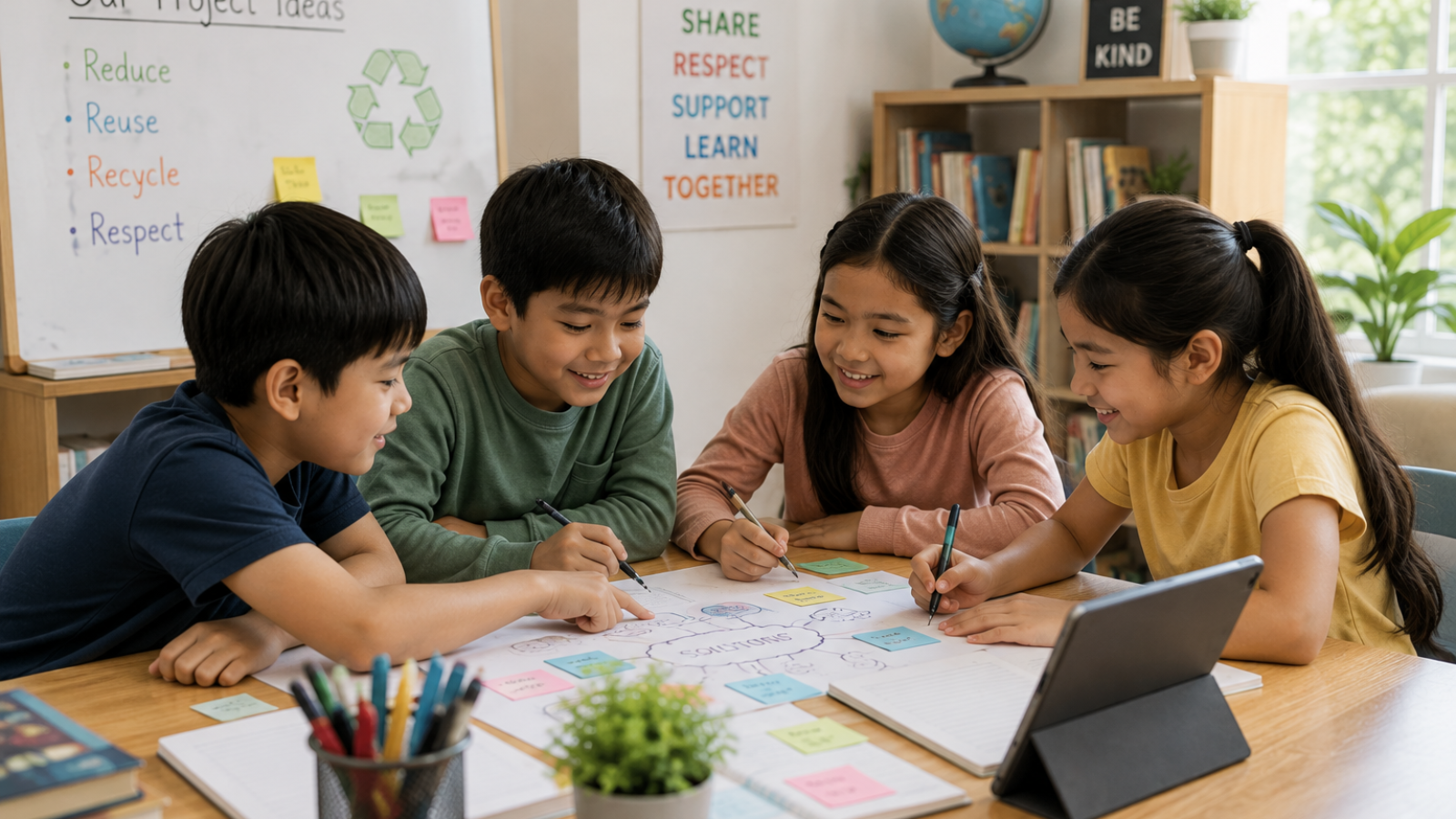 Finding the Right Learning Environment
Ultimately, the best international homeschool curriculum in the Philippines is one that supports your child’s growth, nurtures curiosity, and prepares them for the future.
Whether you choose homeschooling, an international school, or a blended learning approach, the goal should remain the same: helping your child develop the confidence, skills, and understanding needed to thrive in an ever-changing world.
Education is not simply about completing lessons. It is about creating meaningful learning experiences that help students discover who they are and what they can become.
Families seeking a personalized, globally minded educational experience may also explore alternative pathways that combine individualized learning with the support of an international school community.
Related Reading
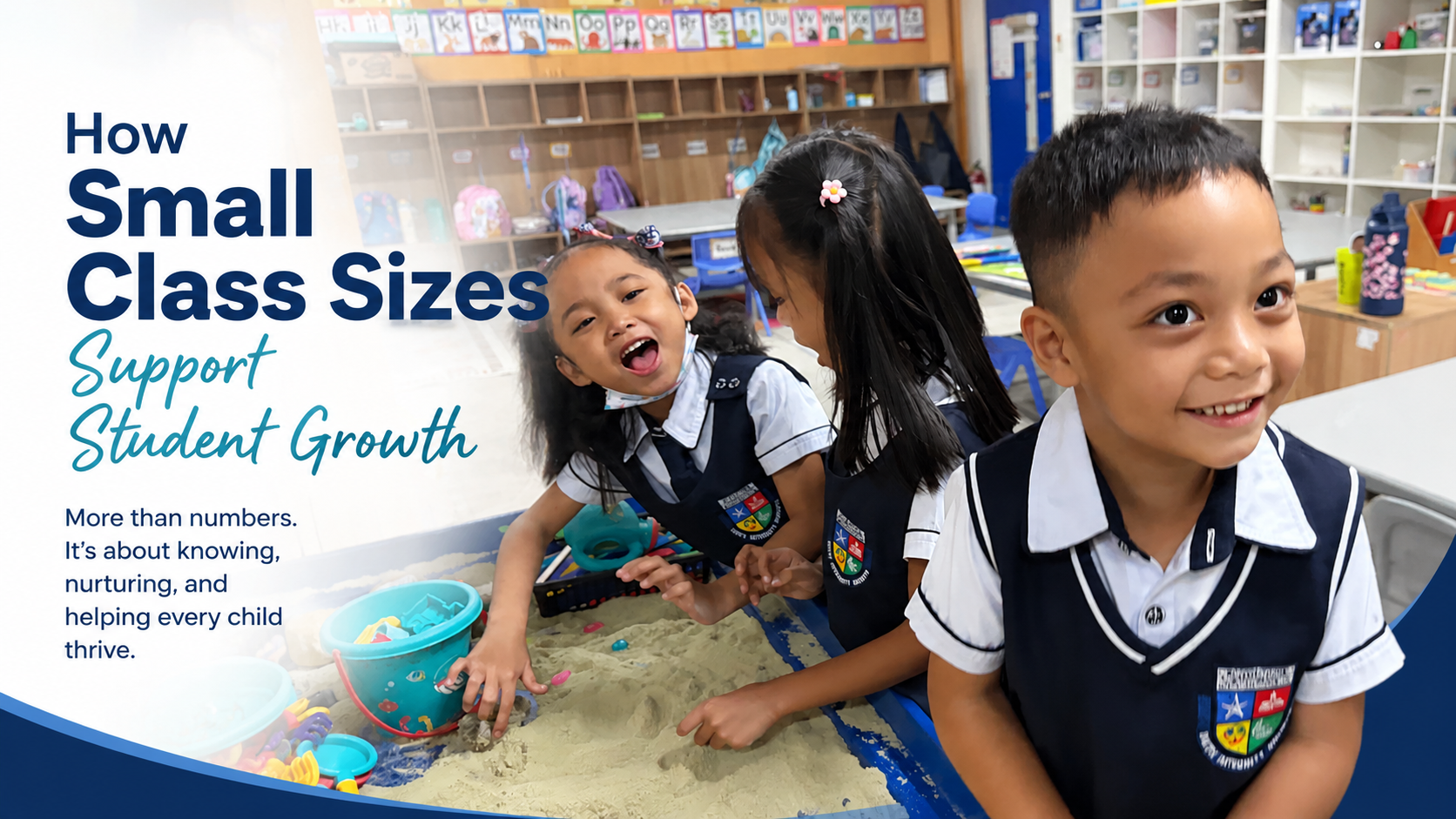
How Small Class Sizes Support Student Growth
The curriculum your child follows is important, but the learning environment plays an equally important role in academic success. Smaller class sizes can provide more individualized attention, stronger student-teacher relationships, and greater opportunities for meaningful participation.
Read Next: How Small Class Sizes Support Student Growth
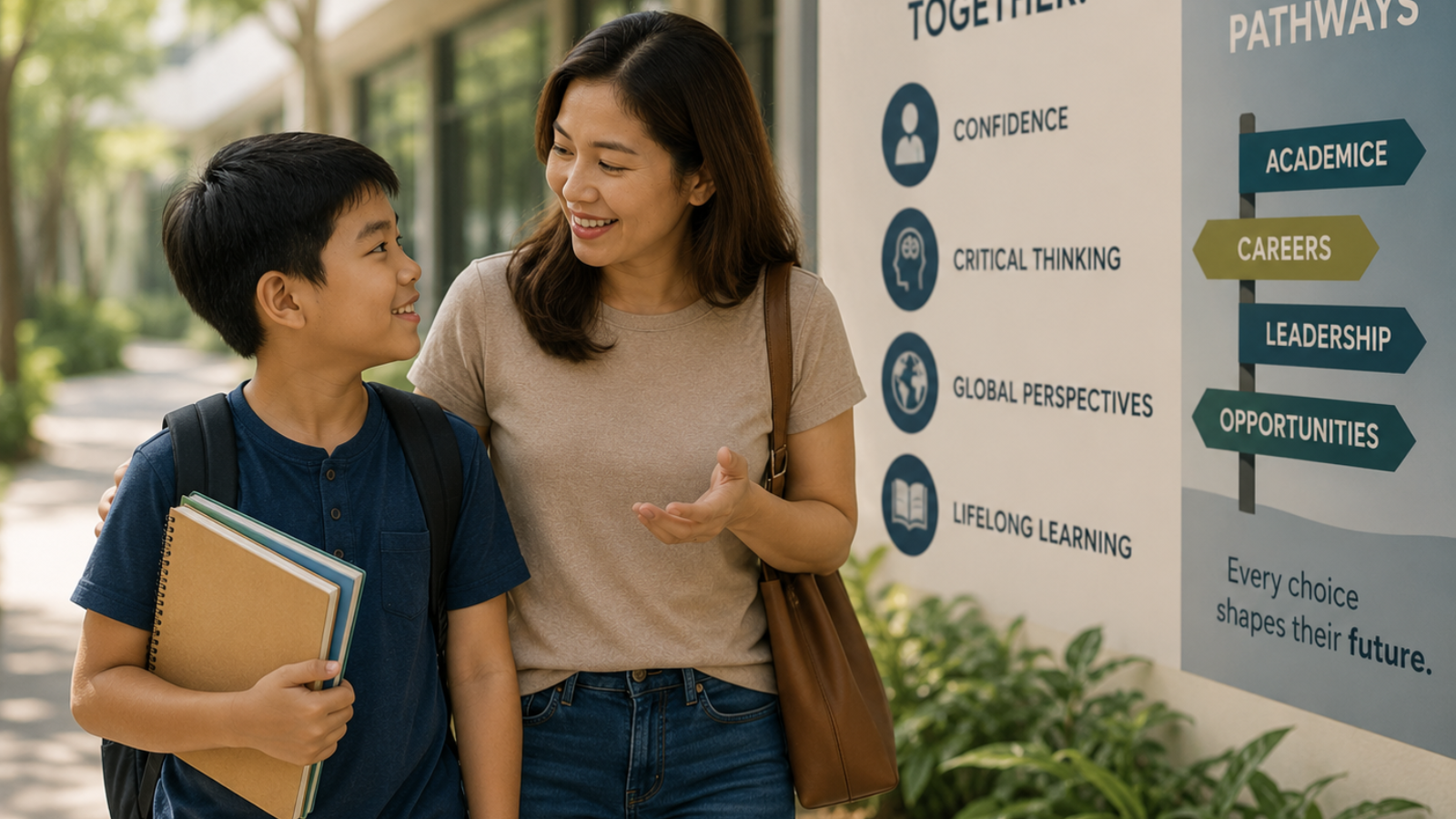 Explore Your Child's Next Learning Journey
Every child learns differently. The right educational environment should not only support academic growth but also help students build confidence, think independently, and prepare for future opportunities.
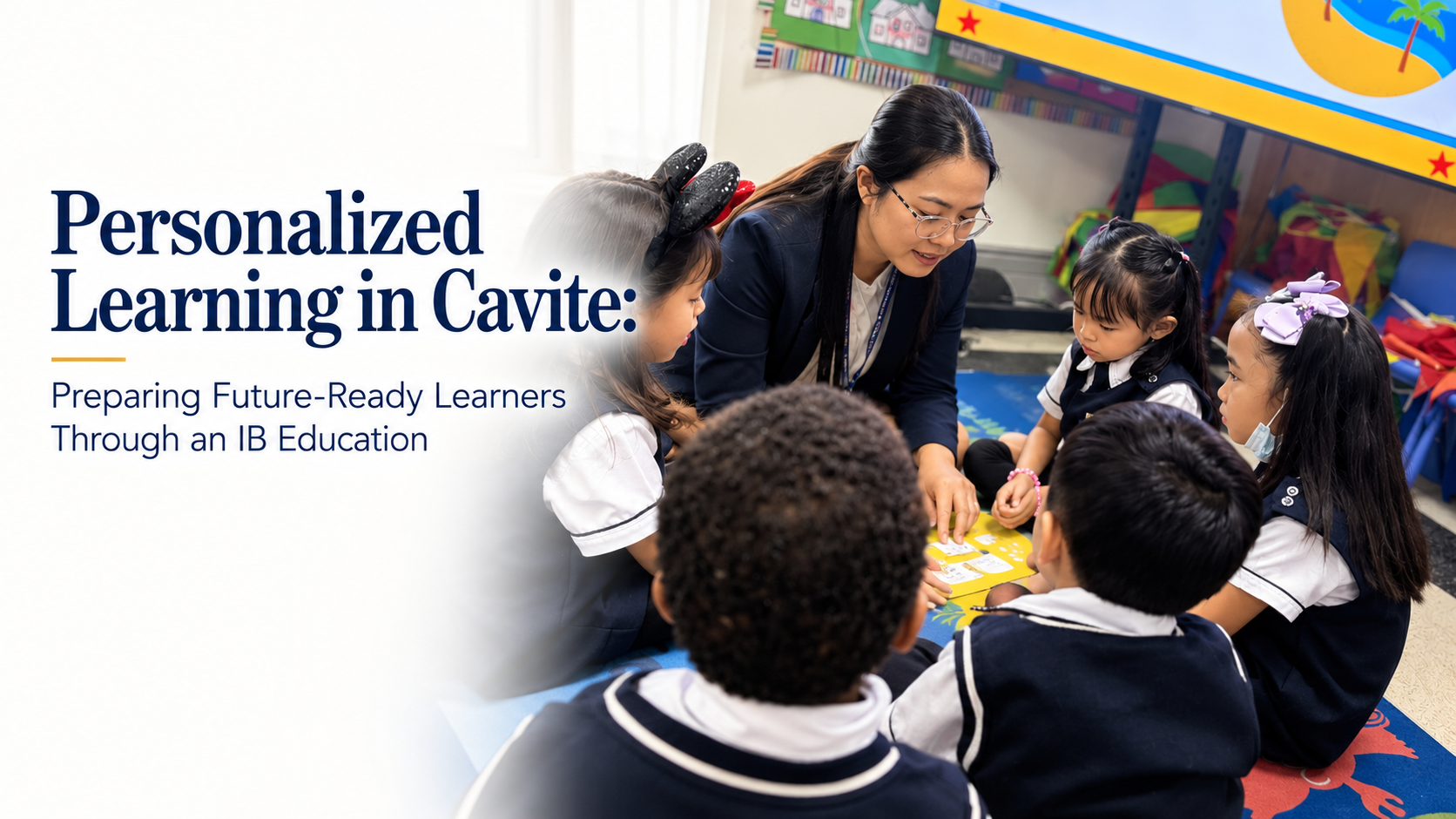
At Philippine Cambridge International School (PCIS), personalized learning is combined with a globally recognized educational framework that nurtures curiosity, critical thinking, communication, and lifelong learning.
If you are exploring educational options for your child, we invite you to learn more about our programmes and admissions process.
Explore PCIS Admissions: Visit the PCIS Admissions Page
Schedule a School Tour or Inquiry: Contact PCIS Today
Your child's future begins with the right learning environment.
Frequently Asked Questions About International Homeschooling in the Philippines
What is the best international homeschool curriculum in the Philippines?
The best curriculum depends on your child's learning needs, goals, and preferred learning style. Parents should look for programs that emphasize academic quality, personalized learning, and future-ready skills.
Is homeschooling recognized in the Philippines?
Yes. Homeschooling is a recognized educational option when conducted through accredited providers and compliant educational programs.
What is the difference between homeschooling and international school education?
Homeschooling typically provides greater flexibility and individualized instruction, while international schools often offer structured learning environments, professional educators, collaborative experiences, and broader extracurricular opportunities.
Can homeschooled students transition to an international school?
Yes. Many students successfully transition from homeschooling to international schools, provided they meet admission and placement requirements.
What are the benefits of an international homeschool curriculum?
International curricula often focus on critical thinking, communication, inquiry, and global awareness while providing academic flexibility.
How do I know if homeschooling is right for my child?
Consider your child's learning style, social needs, academic goals, and the level of support available at home. Evaluating these factors can help determine whether homeschooling is the best fit.
Are there alternatives to homeschooling that still offer personalized learning?
Yes. Some schools provide personalized, student-centered learning approaches within structured educational environments, allowing students to benefit from both individualized support and collaborative learning experiences.