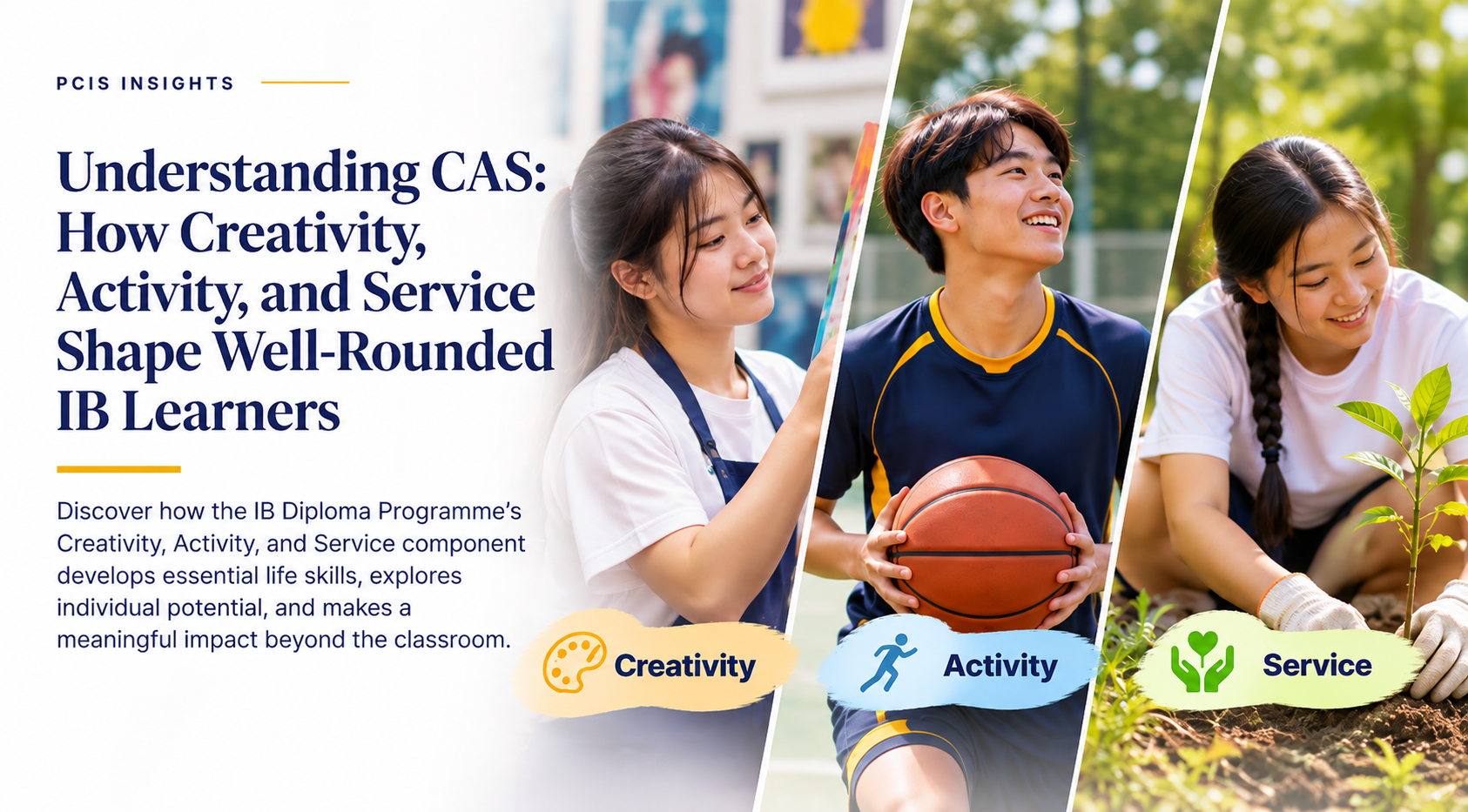
Understanding CAS: How Creativity, Activity, and Service Shape Well-Rounded IB Learners
Discover how the IB Diploma Programme's Creativity, Activity, and Service component helps students develop essential life skills, explore their potential, and make meaningful contributions beyond the classroom.
Beyond Academic Achievement: Understanding CAS
Education is not measured by academic achievement alone. While knowledge and intellectual development are essential, students also need opportunities to discover their interests, develop practical skills, build relationships, and contribute meaningfully to their communities.
This is where Creativity, Activity, and Service (CAS) plays an important role in the International Baccalaureate (IB) Diploma Programme.
CAS is one of the three core elements of the IB Diploma Programme, alongside Theory of Knowledge (TOK) and the Extended Essay (EE). It encourages students to participate in meaningful experiences beyond traditional classroom learning, helping them develop as reflective, balanced, and socially responsible individuals.
Rather than focusing exclusively on academic performance, CAS encourages learners to explore what they can create, accomplish, and contribute.
 What Is CAS in the IB Diploma Programme?
CAS stands for Creativity, Activity, and Service. It is designed to encourage students to engage in experiences that support their personal, social, and interpersonal development.
Through CAS, students take part in activities that challenge them to explore new interests, develop existing abilities, and understand their responsibilities toward others.
The programme has three interconnected strands:
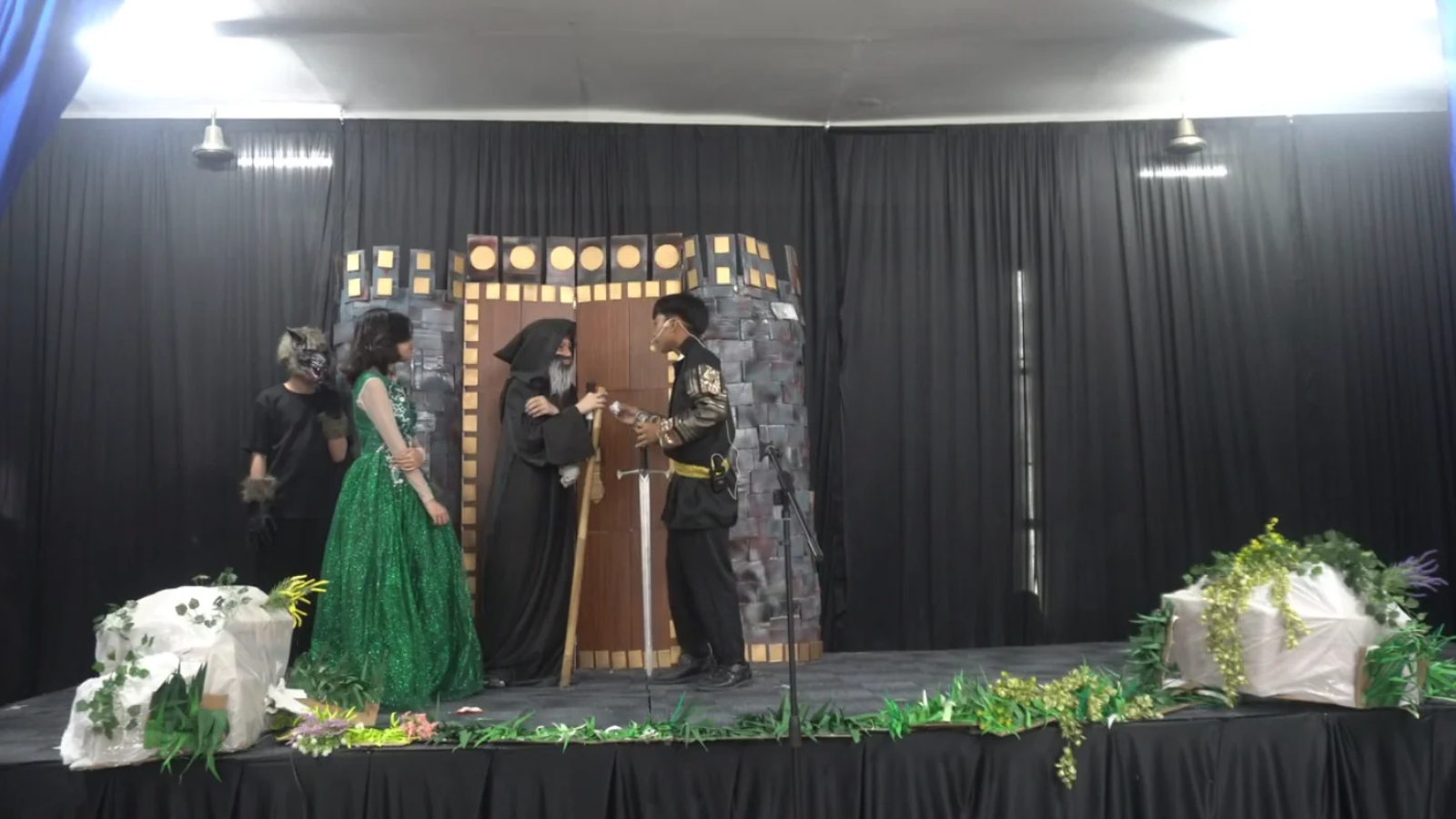
Creativity: Exploring Ideas and Expressing Potential
Creativity encourages students to explore and extend their ideas through artistic expression, innovative thinking, and other creative pursuits.
Examples of Creativity Activities
- Creating artwork, music, or multimedia projects
- Participating in photography, writing, or filmmaking
- Developing entrepreneurial or innovation projects
- Exploring new creative skills and interests
These experiences allow students to express themselves, experiment with possibilities, and approach challenges with imagination.
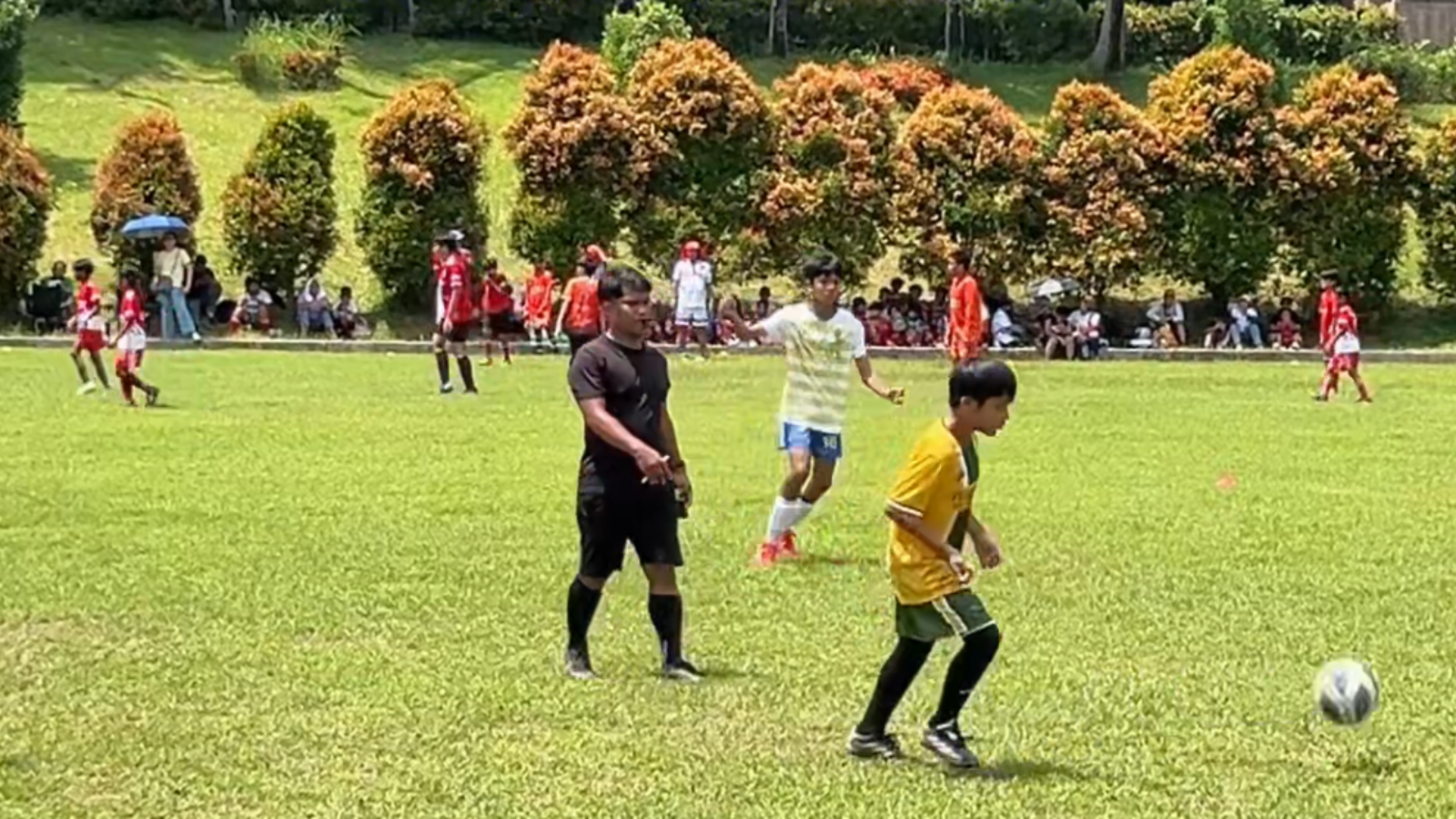
Activity: Developing Physical and Personal Well-Being
Activity focuses on physical exertion that contributes to a healthy lifestyle and personal well-being.
Examples of Activity Experiences
- Participating in sports and fitness activities
- Learning new physical skills
- Joining dance or movement programmes
- Taking part in outdoor and recreational activities
Through these experiences, students develop discipline, perseverance, teamwork, and an appreciation for maintaining a balanced lifestyle.
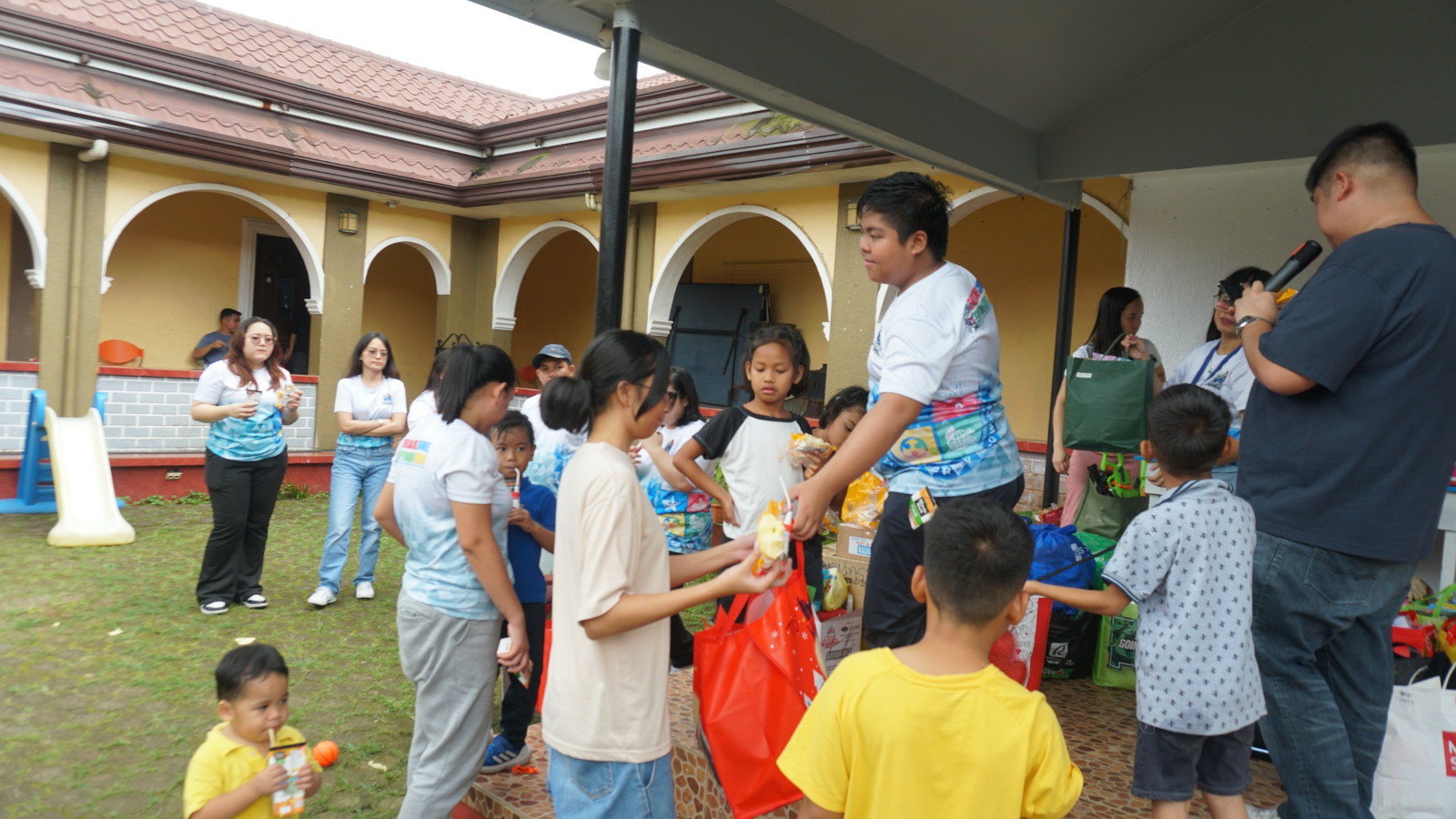
Service: Making a Meaningful Contribution
Service encourages students to engage with their communities and respond to genuine needs through meaningful participation.
Examples of Service Experiences
- Supporting community outreach initiatives
- Organizing environmental activities
- Participating in educational volunteer work
- Developing projects that address community needs
Service helps learners understand different perspectives, develop empathy, and recognize how individual actions can contribute to positive change.
 Why Is CAS Important for IB Learners?
CAS provides opportunities for students to apply their learning beyond academic settings. It challenges them to become active participants in their own development rather than passive recipients of knowledge.
Leadership and Initiative
Students learn to take responsibility, organize activities, make decisions, and work toward shared objectives. These experiences encourage them to become more confident in taking initiative.
Collaboration and Communication
Working with others helps learners appreciate different perspectives, communicate effectively, and develop stronger interpersonal relationships.
Resilience and Self-Management
New experiences can involve uncertainty and setbacks. CAS encourages students to reflect, adapt, and persevere through challenges.
Empathy and Social Responsibility
Through meaningful service experiences, students become more aware of community needs and their potential to contribute.
Reflection and Personal Growth
Students are encouraged to examine their experiences, recognize their development, and identify opportunities for improvement.
Learning Beyond the Classroom Through CAS
One of the defining strengths of CAS is its emphasis on experiential learning.
A student who organizes a community initiative, for example, may develop communication and leadership skills while learning to coordinate people and resources.
Similarly, a creative project can strengthen problem-solving and independent thinking, while participating in sports can build discipline and resilience.
These experiences demonstrate that learning does not happen exclusively through textbooks, examinations, or classroom discussions. It also happens through exploration, participation, collaboration, and reflection.
Importantly, CAS is not simply about collecting activities or completing a checklist. The IB emphasizes meaningful experiences, personal development, and demonstrated learning outcomes.
 Understanding the CAS Project
A CAS project is a collaborative, student-initiated experience that allows learners to demonstrate initiative and work with others toward a shared purpose.
What Makes a CAS Project Meaningful?
A meaningful CAS project involves:
- Identifying a purpose or genuine need.
- Planning and organizing activities.
- Collaborating with other people.
- Demonstrating commitment and perseverance.
- Reflecting on challenges, experiences, and learning outcomes.
Connecting the Three CAS Strands
A project can involve one or more of the three CAS strands. For example, students might organize a community arts initiative that combines creative expression, physical participation, and service to others.
A CAS project must involve collaboration and be sustained over at least one month from planning to completion.
How CAS Connects to the Broader Goals of IB Education
The IB aims to develop internationally minded learners who are curious, knowledgeable, caring, and prepared to contribute to a better and more peaceful world.
CAS supports this broader vision by encouraging students to:
- Explore interests and discover their capabilities.
- Recognize the value of different perspectives.
- Take initiative and responsibility.
- Engage meaningfully with their communities.
- Reflect on their actions and personal development.
By connecting individual growth with community participation, CAS helps students understand that education involves both personal achievement and responsibility toward others.
Frequently Asked Questions About CAS in the IB Diploma Programme
1. What does CAS stand for in the IB Diploma Programme?
CAS stands for Creativity, Activity, and Service. It is one of the three core elements of the IB Diploma Programme, alongside Theory of Knowledge (TOK) and the Extended Essay (EE).
2. Why is CAS required in the IB Diploma Programme?
CAS supports the IB's goal of developing well-rounded learners. It provides opportunities for students to develop personal skills, demonstrate initiative, collaborate with others, and become more aware of their responsibilities to their communities.
3. What activities count toward CAS?
CAS experiences can include creative projects, sports, physical activities, community outreach, environmental initiatives, and other meaningful experiences. Activities must align with the CAS framework and contribute to the student's development and learning outcomes.
4. Is CAS an academic subject?
No. CAS is a core component of the IB Diploma Programme, but it is not an academic subject with a traditional examination. Students engage in experiences, document their progress, and reflect on their learning.
5. How long does the CAS programme last?
CAS generally takes place throughout the 18-month duration of the IB Diploma Programme. Students are expected to engage in a variety of experiences over time rather than completing everything through a short-term activity.
6. Does CAS help students develop leadership skills?
Yes. CAS provides opportunities to practise leadership through planning, organizing, collaborating, and taking responsibility for activities and projects. Students can develop confidence and initiative through real-world experiences.
7. What is a CAS project?
A CAS project is a collaborative, student-initiated experience involving one or more CAS strands. It requires students to work with others, demonstrate initiative, plan activities, and reflect on their learning. A CAS project must last at least one month from planning to completion.
8. How does CAS prepare students for life beyond school?
CAS encourages skills that are valuable beyond the classroom, including communication, teamwork, adaptability, self-management, empathy, and problem-solving. These experiences help students become more independent and socially responsible individuals.
9. Is CAS compulsory for IB Diploma Programme students?
Yes. CAS is a core requirement of the full IB Diploma Programme. Students must meet the programme's CAS requirements to be eligible for the IB Diploma.
10. How does CAS support holistic education?
CAS connects personal development, physical well-being, creativity, and community engagement. It reinforces the idea that education should develop not only academic knowledge but also the attitudes, skills, and values needed to participate meaningfully in society.
Preparing Learners for Life Beyond School
Academic knowledge opens opportunities, but the ability to collaborate, adapt, lead, and contribute helps students navigate an increasingly interconnected world.
Through Creativity, Activity, and Service, IB learners gain opportunities to discover their strengths, confront challenges, and understand the impact of their decisions.
At Philippine Cambridge International School (PCIS), these principles connect with the school's commitment to holistic, internationally minded, and future-ready education.
As an IB World School in Cavite offering the Diploma Programme, PCIS recognizes the importance of learning experiences that extend beyond academic achievement.
Ultimately, CAS reminds us that education is not only about what students know. It is also about what they can create, how they grow, and the difference they can make in the world.
Discover how an IB education at PCIS prepares learners for opportunities beyond the classroom.
Explore PCIS programmes and learn more about the school's educational approach at www.pcis.edu.ph.